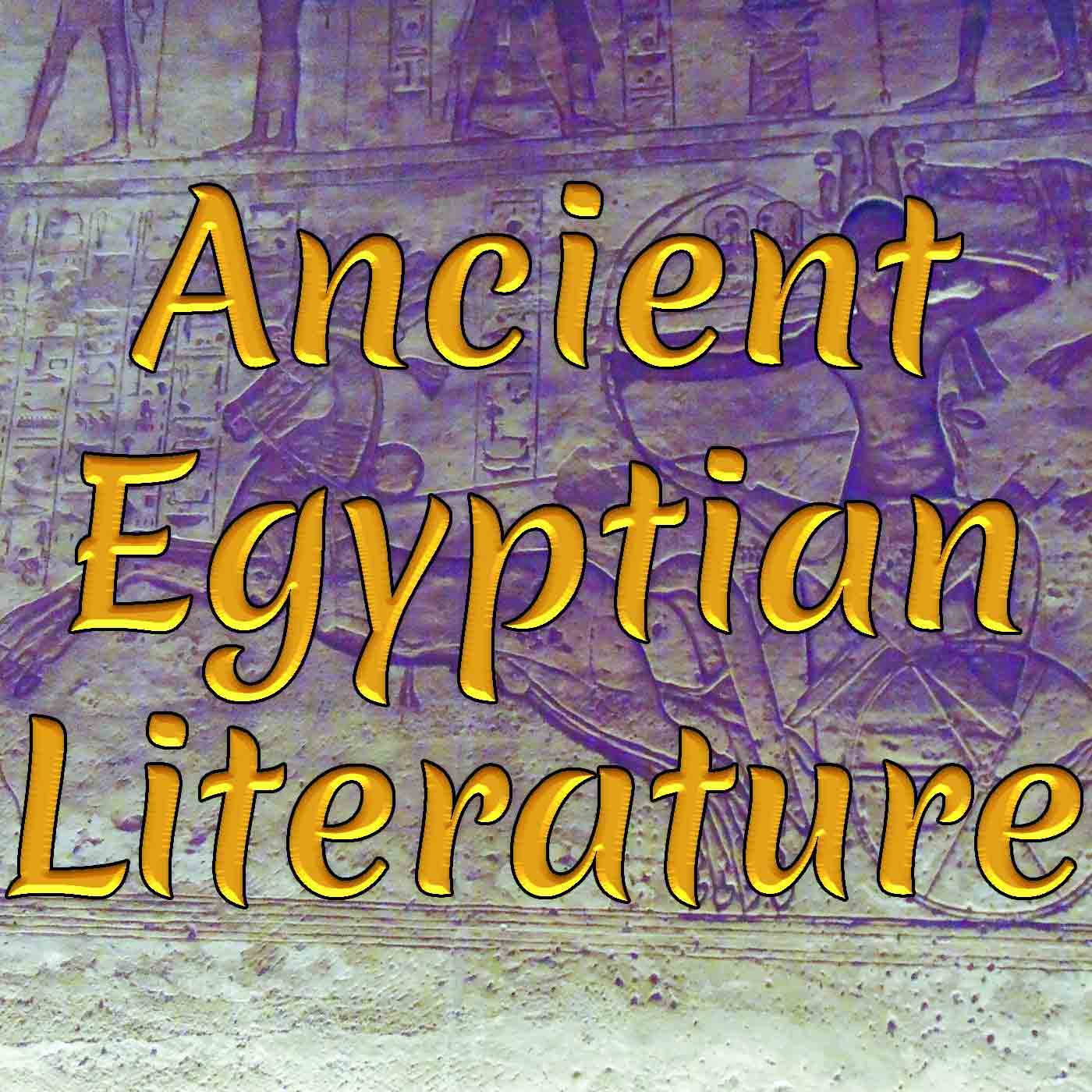
In this episode of Ancient Egyptian Literature, we are delving into the Battle of Kadesh, a monumental military action between Rameses the Great and the Hittites. Two versions of this story appear in ancient Egypt. The first, the official report, also called the bulletin, with seven copies found, and the second, dubbed the Poem of pntAwrt, with eight copies, are found inscribed, sometimes side by side, at the Ramesseum, Rameses’ funerary temple, the temple of Amun at Karnak, Abydos, and Abu Simbel.
The Battle of Kadesh was a significant military conflict between Rameses II (Rameses the Great) of Egypt and the Hittites, led by King Mutawallis, in 1275 BCE. It occurred near the fortified city of Kadesh in northern Syria, a strategic location contested by Egypt and Hatti for centuries due to its importance in controlling the Syrian plain.
Rameses II aimed to reclaim territories in the Levant that had been lost to the Hittites during earlier dynasties. He assembled a large army of 20,000 men, divided into four divisions (Amun, Ra, Ptah, and Seth), and marched northward. Aware of Rameses’ ambitions, the Hittites organized a massive army of allied states, numbering up to 37,000 infantry and 3,700 chariots.
Hittite spies misled Rameses into believing the enemy was far away in Aleppo, but the Hittite forces were concealed behind Kadesh. As Rameses camped with the Division of Amun, the Hittites launched a surprise attack on the Division of Ra, causing chaos and retreat. The Hittite chariots advanced toward Rameses’ camp, scattering the Division of Amun.
Despite being surrounded and abandoned by much of his army, Rameses rallied his elite chariotry and fought back, turning the tide of the battle. Reinforcements from the elite unit “nfrw” arrived and helped crush the Hittite forces. Mutawallis sent a second wave of troops, but were defeated as they attempted to plunder Rameses’ camp.
Ultimately, Rameses regrouped his forces and prepared for a counterattack, prompting Mutawallis to request an armistice. Rameses agreed and returned to Egypt, but the Hittites later retook the city of Amurru, undoing Egypt’s earlier gains.
The battle is notable for its detailed accounts left by Rameses, including the “Official Report” and the “Poem of Pentawer,” which glorify his role in the conflict. While the battle ended inconclusively, it demonstrated Rameses’ military prowess and marked a pivotal moment in Egyptian-Hittite relations.
Patreon patrons receive the full 54-minute episode, which includes a complete dramatic retelling of the texts and an accompanying discussion of Rameses’ armies, the battle, and surrounding events. They also receive a 26-page illustrated eBook with discussion, maps, a glossary, and access to peer-reviewed reference materials from the Par Madja’at—House of Ancient Egyptian Books.