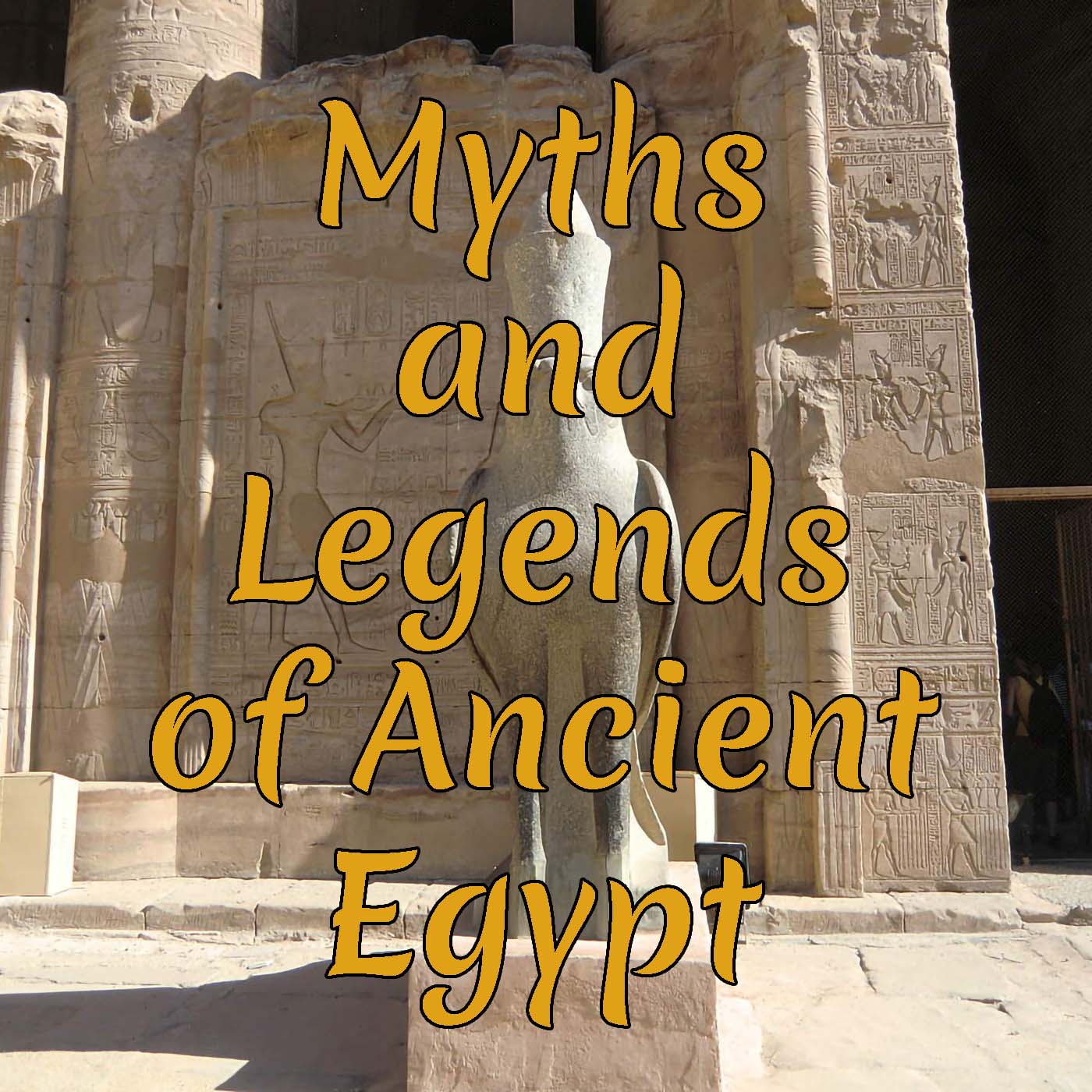
Myths and Legends of Ancient Egypt: The Reckoning of the Mounds of Primeval Time is a dramatic retelling of the creation myth associated with the Temple of Horus at Edfu. The story explores the cosmogeny of ancient Egypt, focusing on the primeval mounds that emerged from the waters of chaos at the dawn of time. It highlights the role of Ra, Horus, and other deities in shaping the world and establishing order. The myth is deeply tied to Behdet, an ancient name for Edfu, and reflects Egyptian beliefs about divine rulership and cosmic balance. You can find more details here.
Ta’wy Podcast Channel
Myths and Legends of Ancient Egypt: Reckoning of the Mounds of the Primeval Time
The Instruction of Ptahhotep, also known as The Maxims of Ptahhotep, is an ancient Egyptian wisdom text attributed to Vizier Ptahhotep, who served under King Djedkare Isesi of the Fifth Dynasty (circa 2375–2350 BCE). It is one of the earliest examples of didactic literature, offering guidance on ethical behavior, leadership, and social harmony.
Key Themes
Wisdom and Experience: Ptahhotep, an elderly statesman, wrote the text to pass down knowledge to his son, emphasizing that wisdom comes with age.
Leadership and Responsibility: The text advises rulers and officials to be patient, just, and attentive to their people.
Moral Conduct: It promotes virtues such as truthfulness, humility, kindness, and self-control.
Social Harmony: The teachings promote respect for others, appropriate speech, and maintaining social order.
Significance
The Instruction of Ptahhotep was widely studied by scribes and officials, shaping Egyptian thought on governance and personal conduct. It reflects the principles of Ma’at, the concept of cosmic balance and justice that was central to Egyptian culture. The only complete version of the text, known as Papyrus Prisse, is housed in the Bibliothèque Nationale in Paris.
Ta’wy Podcast Channel
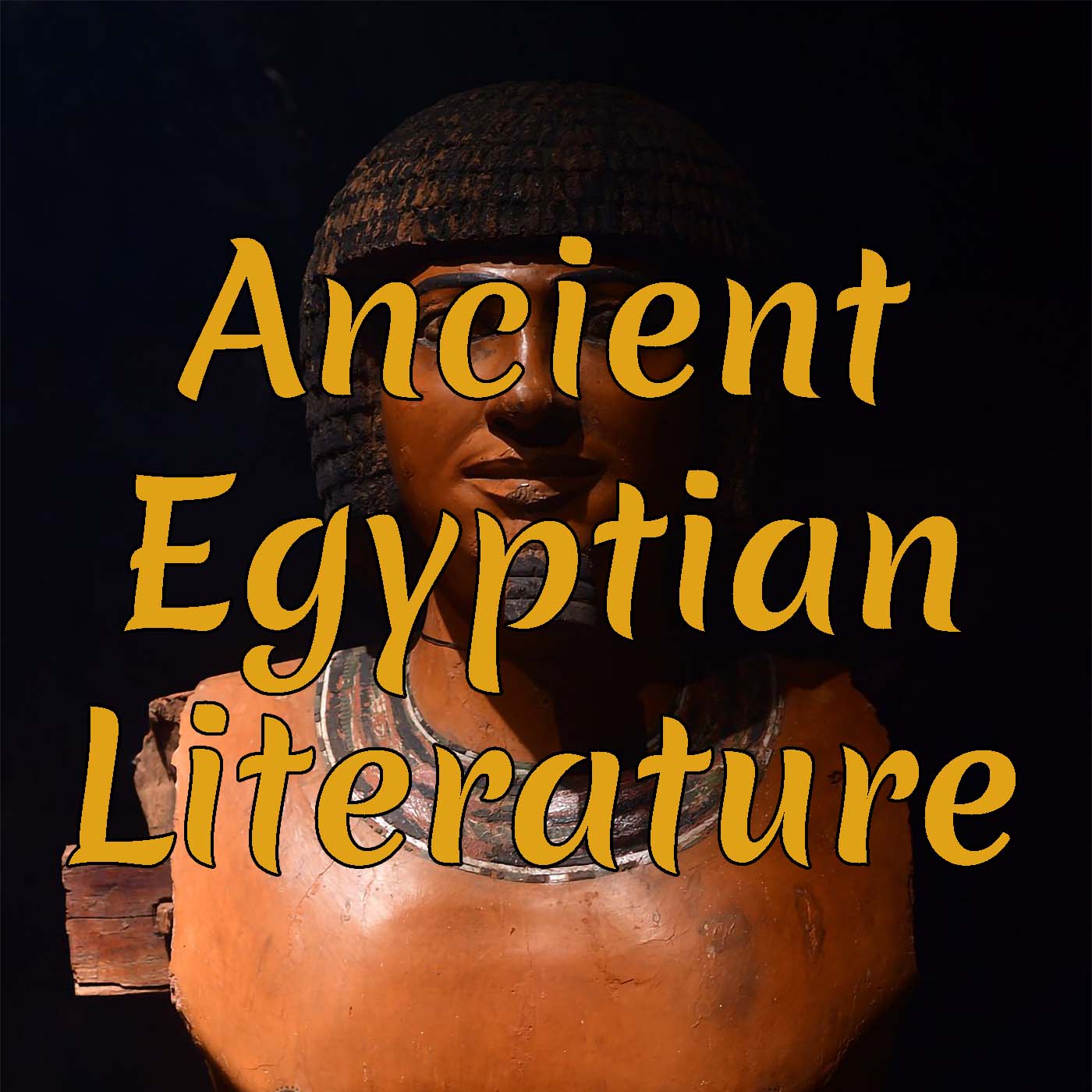
Ancient Egyptian Literature – Instruction of Ptah Hotep