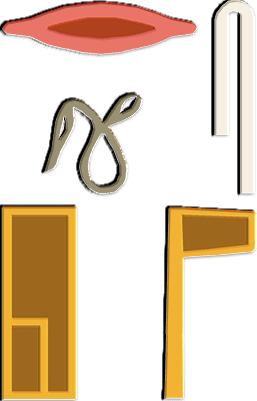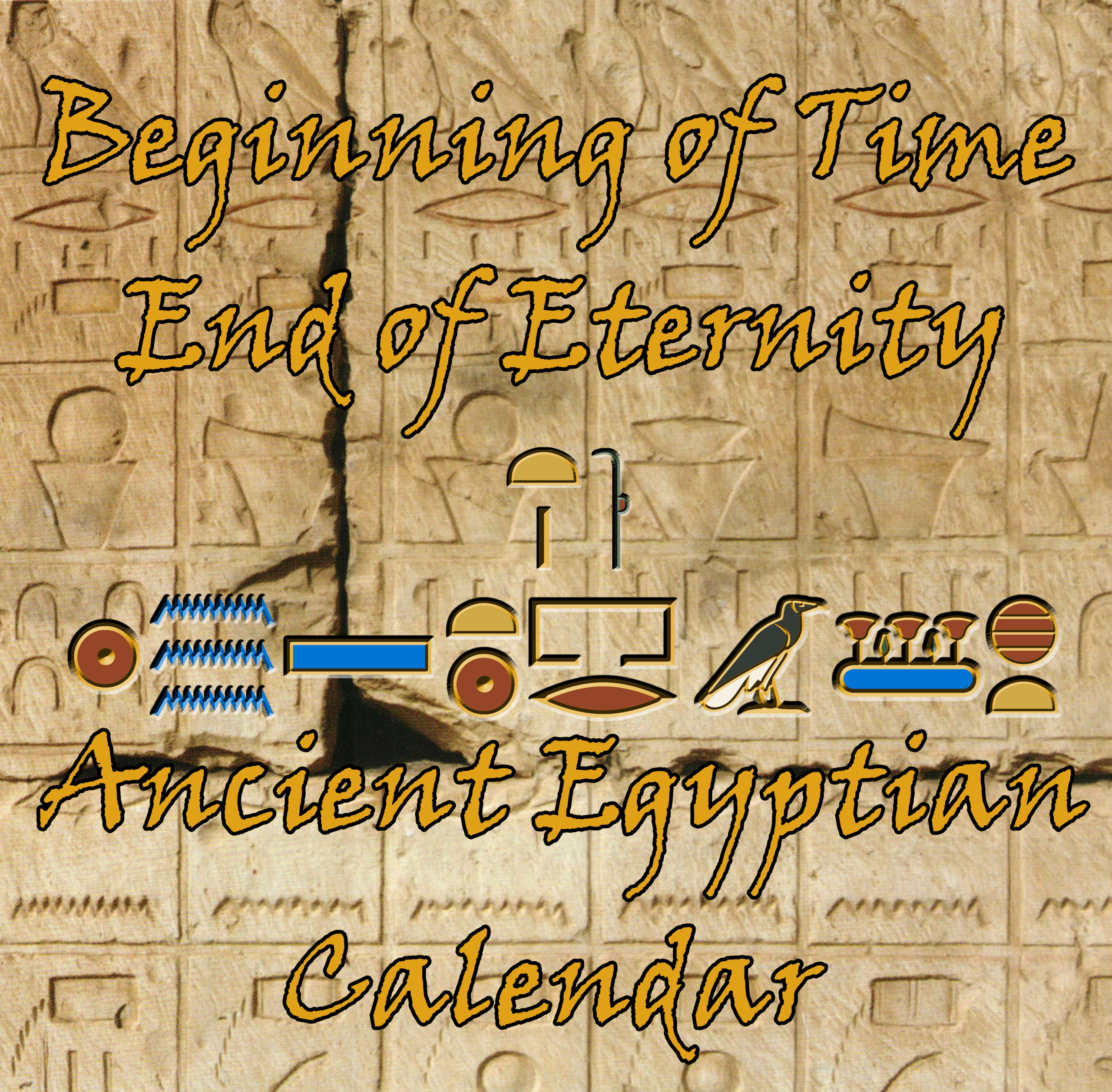
In this episode, we look at the hrw Hryw rnpt, the “Days Above the Year” in the ancient Egyptian calendar. These five added days — created through the wisdom of Thoth — made room for the births of the children of Nut and Geb. They sit outside the normal 360‑day year and mark one of the most important mythological moments in Egyptian timekeeping.
Tag: Edfu
-
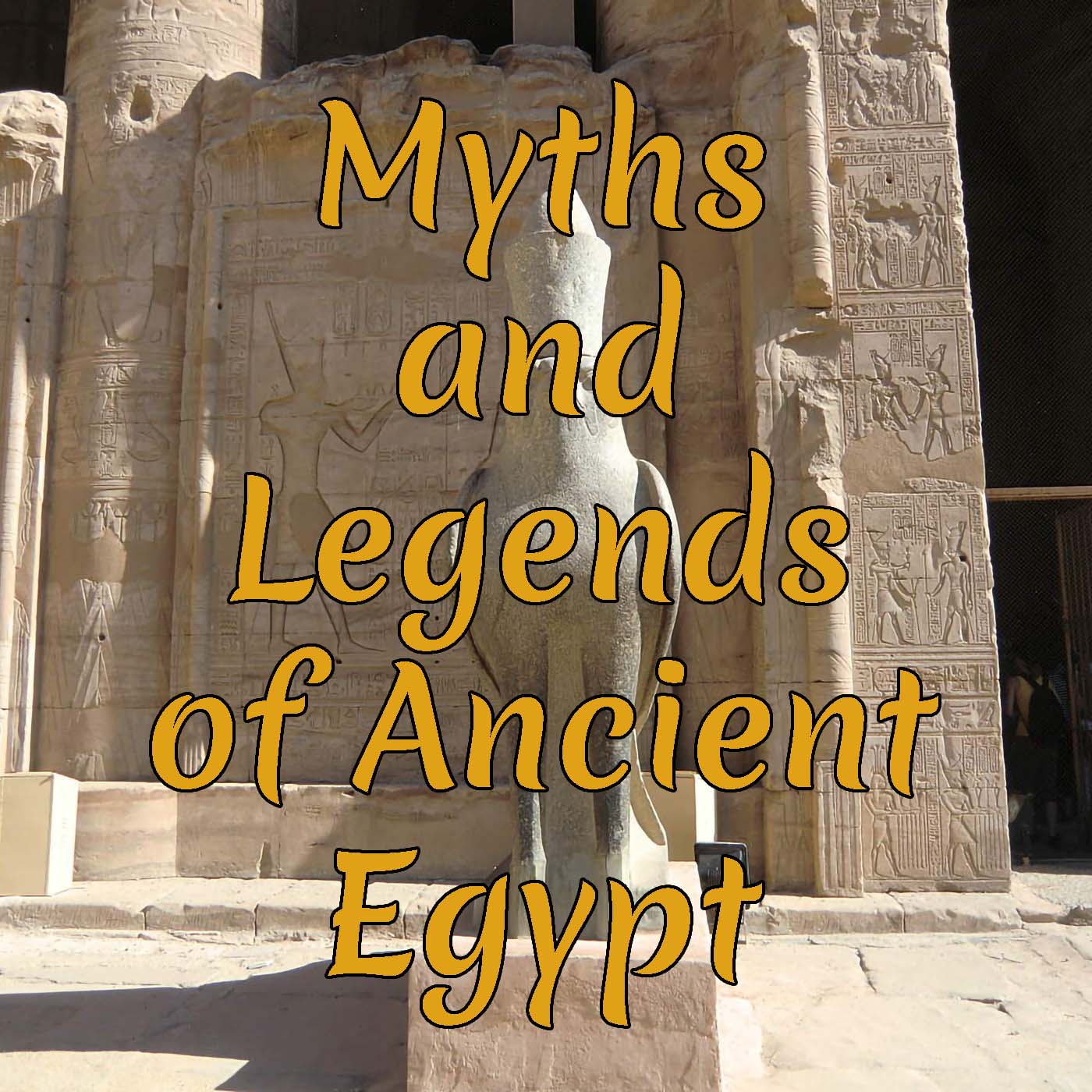
Myths and Legends of Ancient Egypt: Reckoning of the Mounds of the Primeval Time
Myths and Legends of Ancient Egypt: The Reckoning of the Mounds of Primeval Time is a dramatic retelling of the creation myth associated with the Temple of Horus at Edfu. The story explores the cosmogeny of ancient Egypt, focusing on the primeval mounds that emerged from the waters of chaos at the dawn of time. It highlights the role of Ra, Horus, and other deities in shaping the world and establishing order. The myth is deeply tied to Behdet, an ancient name for Edfu, and reflects Egyptian beliefs about divine rulership and cosmic balance. You can find more details here.
 /RSS Feed
 -
Myths and Legends of Ancient Egypt: Horus Behdety and the Winged Disk
This episode narrates the mythological tale of Horus-Behdety, a form of the Egyptian god Horus, and his battles against the enemies of Ra, the sun god. The story unfolds as Ra and his followers, including Horus-Behdety, embark on a journey to defeat conspirators and enemies who take the forms of crocodiles, hippopotami, and other fiends associated with Seth, the god of chaos.
Key events include:Horus-Behdety’s Transformation: Horus-Behdety transforms into the Winged Disk (Apy) and defeats enemies in the heights of heaven, earning titles such as “Great God, Lord of Heaven.”
Battles on Land and Water: Horus-Behdety leads attacks against enemies on land and water, using weapons like spears and chains. He slaughters crocodiles, hippopotami, and other foes, often with the help of metalworkers and divine allies like Nekhbet and Wadjet.
Sacred Places and Names: The myth establishes the names of various locations, sanctuaries, and objects based on the events of the battles. For example, cities like Teb, Tekhet-met, and Heben are named after Horus-Behdety’s victories.
Seth’s Defeat: Seth, the primary antagonist, is ultimately defeated by Horus-Behdety and Harsiese. Seth’s head is severed, and his fiends are destroyed, symbolizing the triumph of order over chaos.
Symbolism of the Winged Disk: The Winged Disk becomes a protective symbol placed in temples and sanctuaries to ward off evil. It represents Horus-Behdety’s power and victory.
Festivals and Rituals: The myth establishes specific festivals and ceremonies to commemorate Horus-Behdety’s victories, including the “Festival of Sailing.” The story emphasizes themes of divine protection, the triumph of order over chaos, and the establishment of sacred traditions and symbols in ancient Egyptian religion.
/RSS Feed