The Predynastic Period of Egypt spans from approximately 6000 BCE to 3100 BCE. It marks the era before the unification of Upper and Lower Egypt under a single ruler. This fascinating period saw the evolution of human civilization along the Nile. Early hunter-gatherer communities developed into advanced societies. These societies were characterized by agriculture, trade, and even the development of writing.
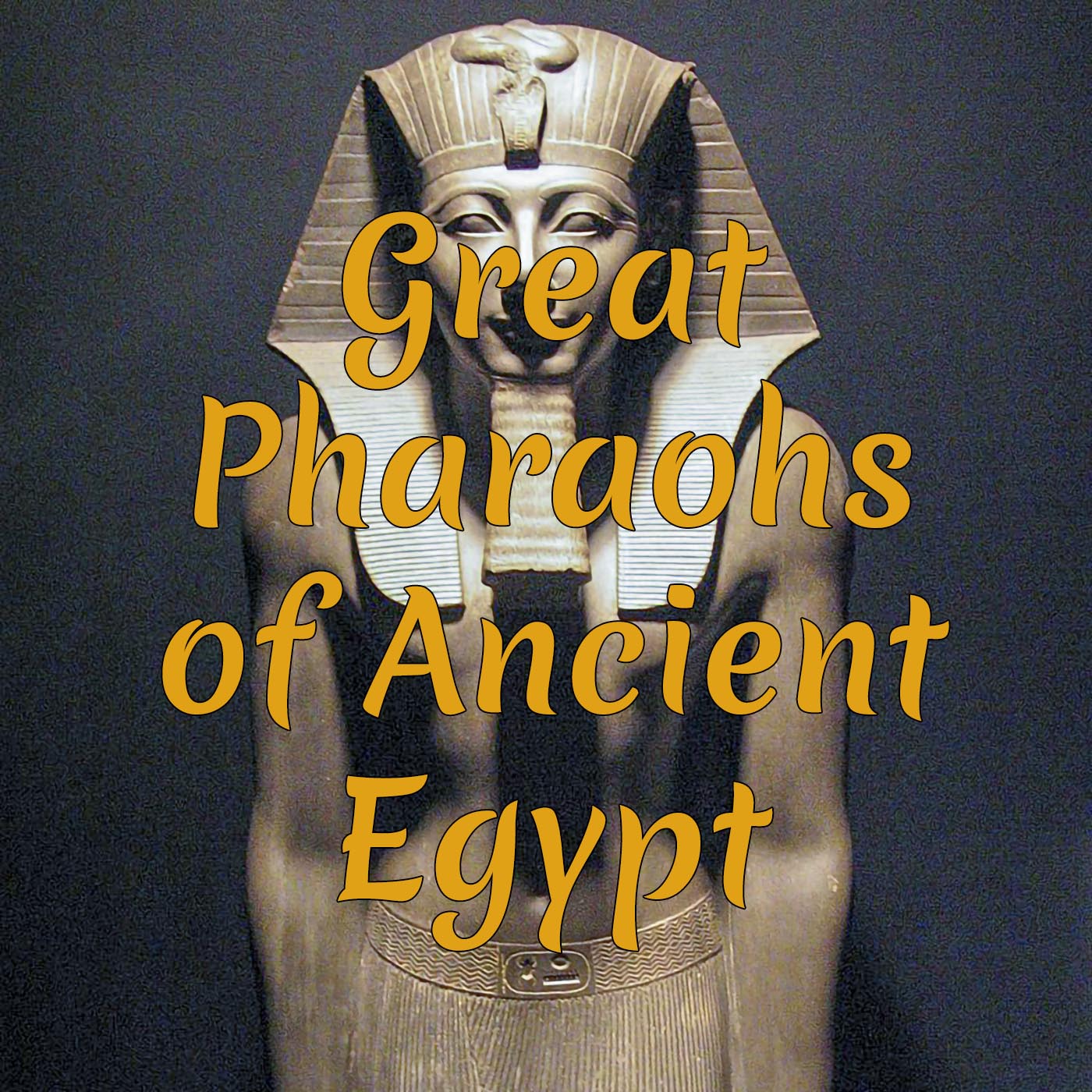
The episode is about Thutmose III, Pharaoh of Ancient Egypt, focusing on his life, military achievements, and legacy. Key Points:
Introduction: The speech begins with an Ancient Egyptian greeting and introduces Thutmose III, emphasizing his significance as a military strategist who restored Egypt’s empire after a period of weakness under his predecessors.
Early Life and Co-Regency with Hatshepsut: Thutmose III’s father died when he was young, leading to his half-sister Hatshepsut becoming regent. She later crowned herself Pharaoh, sidelining Thutmose. While Hatshepsut focused on building projects and propaganda, Thutmose prepared himself as a military commander.
Military Campaigns: After Hatshepsut’s death, Thutmose III emerged as a warrior Pharaoh, leading campaigns to expand Egypt’s borders. His most notable victory was the conquest of Megiddo, achieved through brilliant strategy and military prowess.
Triumphant Return and Legacy: Thutmose III celebrated his victories by commissioning monuments and securing his empire through annual marches, hostage diplomacy, and appointing his son Amenhotep II as co-regent. He also erased Hatshepsut’s legacy to ensure his progeny’s succession.
Conclusion: The speech highlights Thutmose III’s role in protecting and expanding Egypt, enabling the construction of its iconic monuments.
Sources: The episode references multiple historical texts, including works by Elizabeth Ann Payne, Robert B. Partridge, Mark Healy, and others, to support its claims.