
The Opening title montage of Ta’wy – Reconstructing Ancient Egyptian Culture
Tag: Egyptian mythology
-
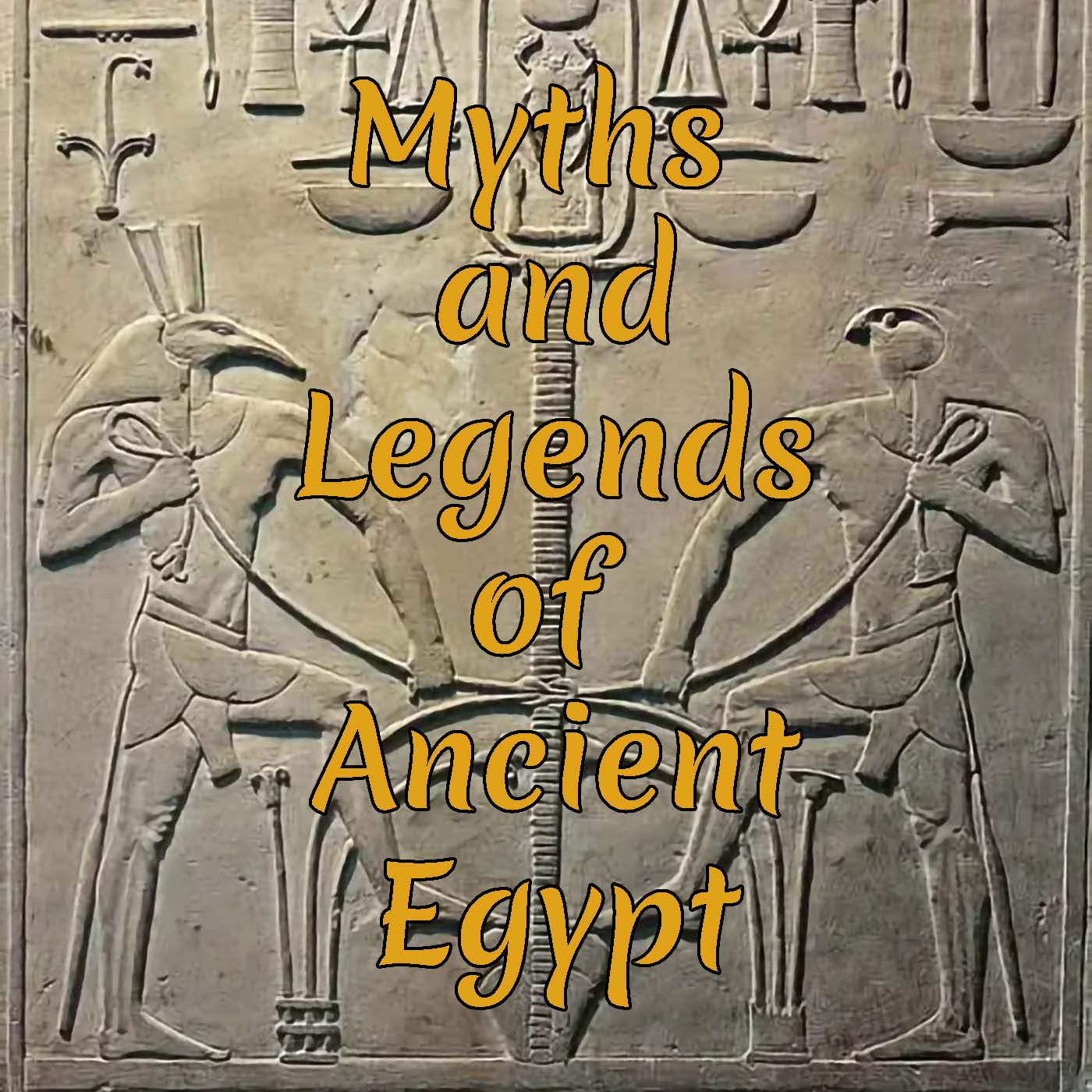
Myths and Legends of Ancient Egypt – Judgment of Horus and Seth
The Judgment of Horus and Seth, also known as the Contendings of Horus and Seth, is an ancient Egyptian myth that recounts the story of the gods’ struggle for the throne of Egypt following the death of Osiris. The conflict between Horus, Osiris’ son, and Seth, Osiris’ brother, lasted for decades and involved numerous trials and contests to determine who was the rightful ruler.
Key Events
- After Seth murdered Osiris, Horus claimed the throne as his birthright, but Seth argued that he was stronger and more capable of ruling.
- The gods of the Ennead, led by Ra, acted as judges in the dispute.
- Horus and Seth engaged in various competitions, including boat races, wrestling matches, and magical duels.
- At one point, Seth attempted to humiliate Horus by assaulting him, but Horus’ mother, Isis, intervened.
- The gods debated for years, with some supporting Seth and others favoring Horus.
- Eventually, Osiris himself intervened from the afterlife, demanding justice for his son.
- The gods finally ruled in favor of Horus, declaring him the rightful king of Egypt.
This myth was significant in Egyptian culture because it reinforced the idea of divine kingship, legitimizing the rule of pharaohs as descendants of Horus. It also symbolized the eternal struggle between order (Ma’at) and chaos, with Horus representing stability and Seth embodying disorder.
 /RSS Feed
 -
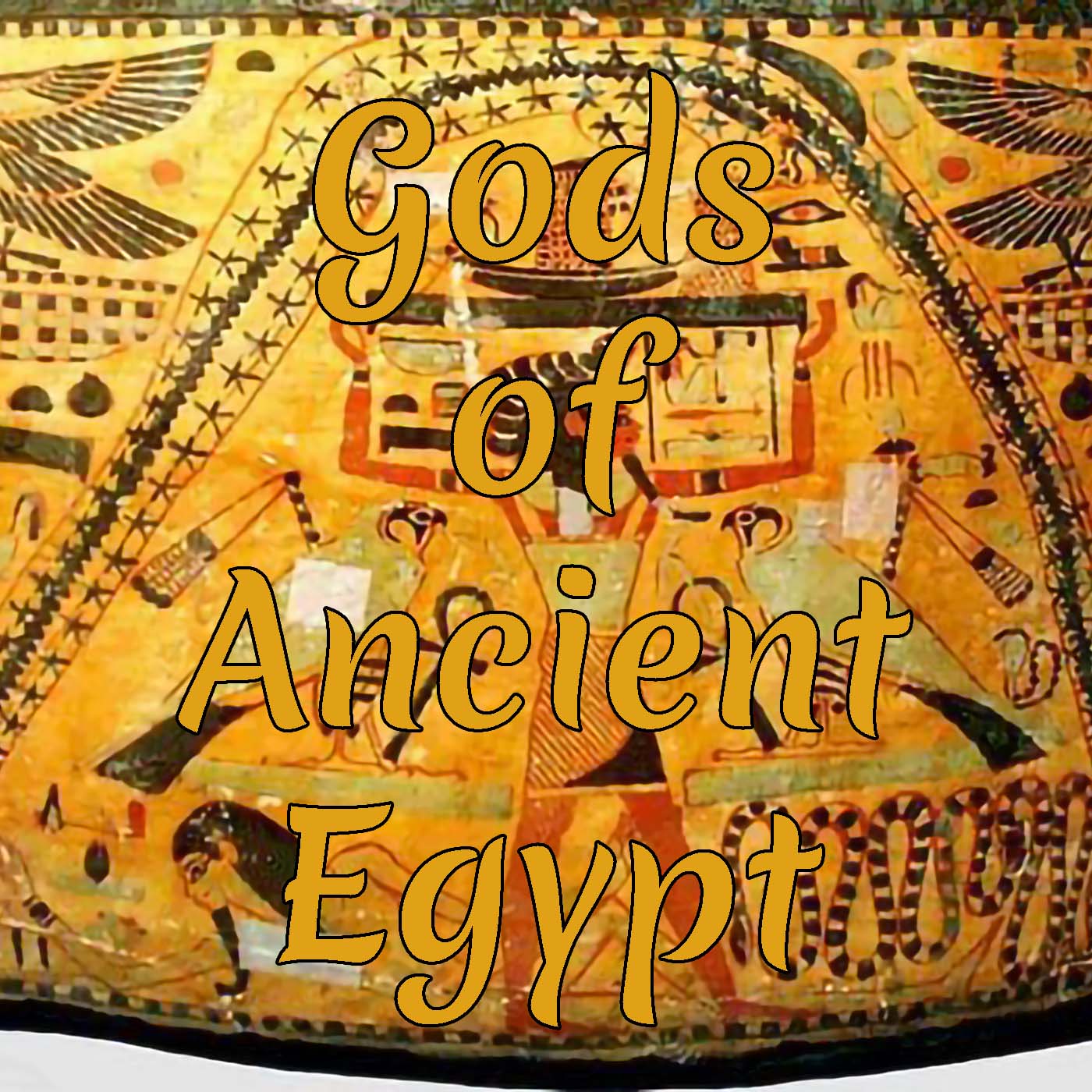
Gods of Ancient Egypt: Shu
Shu was a significant deity in ancient Egyptian mythology, revered as the god of air, light, and peace. He was one of the primordial gods and a member of the Ennead of Heliopolis, a group of nine deities central to Egyptian creation myths.
Origins and Role
Shu was created by itmw, the sun god, either by spitting or through self-generation. He was the twin brother and consort of tfnt, the goddess of moisture. Together, they gave birth to Geb (the earth god) and Nut (the sky goddess), making Shu the grandfather of Osiris, Isis, Set, and Nephthys.
Symbolism and Depictions
Shu was often depicted as a man wearing an ostrich feather, which symbolized lightness and emptiness. He was also shown holding up the sky, separating Nut from Geb to create space for life to exist. This act was crucial in Egyptian cosmology, as it established the duality of above and below, light and dark, order and chaos.
Associations and Myths
- Shu was associated with wind, air, and fog, which were sometimes referred to as his “bones.”
- He was seen as a calming force, representing balance and truth (Ma’at).
- In later myths, Shu was linked to Atlas, the Greek Titan who held up the heavens.
Shu played a vital role in maintaining cosmic order, ensuring that the sky remained separate from the earth. His presence was believed to bring peace and stability, making him a revered figure in Egyptian religion.
/RSS Feed -
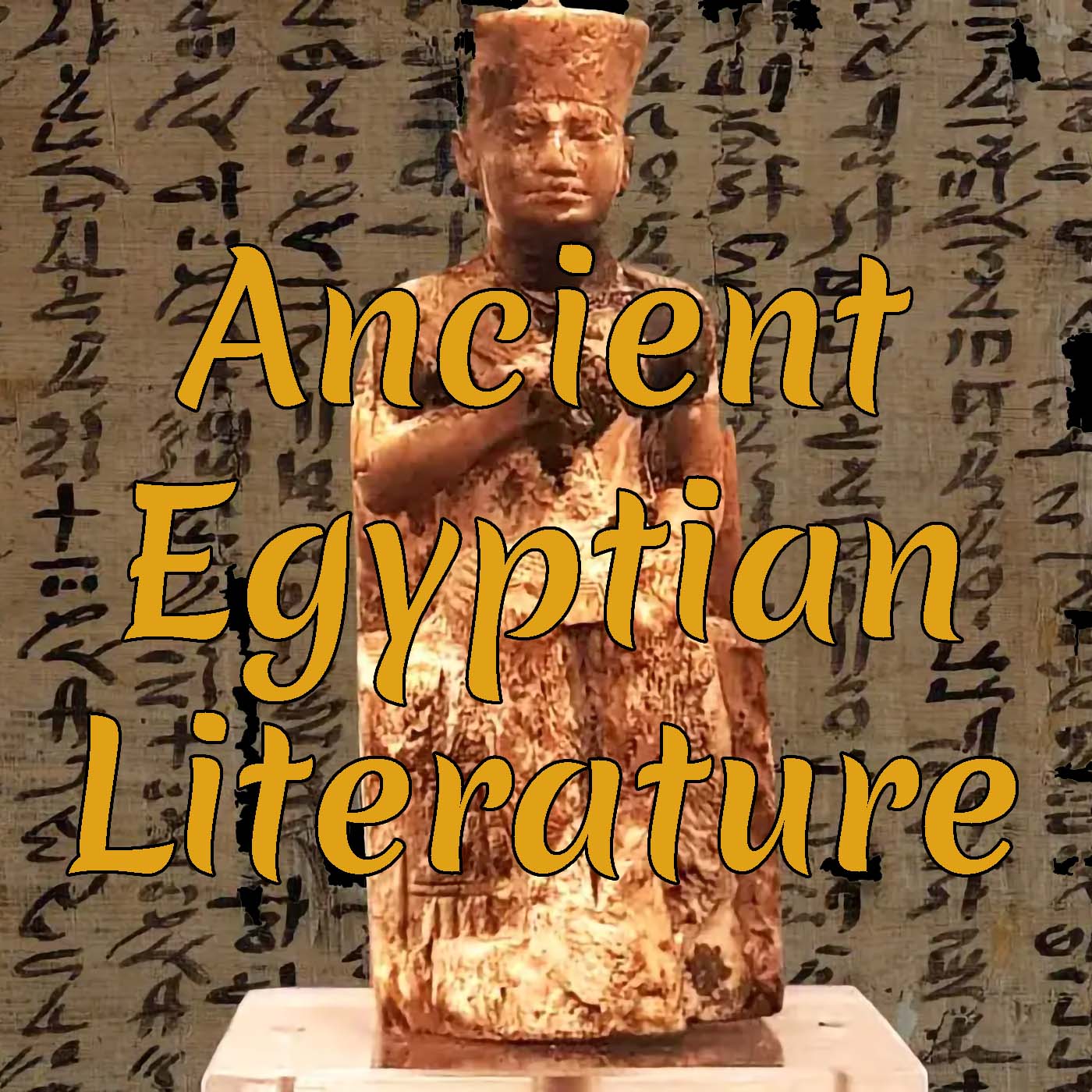
Ancient Egyptian Literature – Pharaoh Khufu and the Tales of the Haka’ayu-Magicians
A dramatic retelling of the fourth story of the Westcar Papyrus is told by Hardedef, son of Khufu, and takes place during Khufu’s reign. Hardedef tells his father about a magician named Dedi, who possesses incredible abilities—he can reattach a severed head onto an animal and tame a wild lion. He also claims that Dedi has knowledge about the Temple of Thoth.
Intrigued, Khufu orders Hardedef to bring Dedi to his court. When asked to demonstrate his magic, Dedi refuses to perform on a human but agrees to sever and reattach the heads of a goose, a waterfowl, and an ox. Khufu then asks Dedi about the Temple of Thoth, hoping to learn its secrets, but Dedi reveals that while he does not know the number of rooms in the temple, he knows its location. However, he refuses to share further details, stating that the one destined to access the temple is the firstborn of three future pharaohs—Userkaf, the first king of the Fifth Dynasty, who will be born to Reddjedet, the wife of a priest of Ra.
This story serves as a prophecy establishing the legitimacy of Userkaf, Sahure, and Neferirkara Kakai, contrasting their pious rule with Khufu’s reputation for impiety. Some scholars interpret the tale as a morality story, suggesting that Khufu’s pursuit of forbidden knowledge contributed to the downfall of his dynasty.
/RSS Feed -
Myths and Legends of Ancient Egypt: Horus Behdety and the Winged Disk
This episode narrates the mythological tale of Horus-Behdety, a form of the Egyptian god Horus, and his battles against the enemies of Ra, the sun god. The story unfolds as Ra and his followers, including Horus-Behdety, embark on a journey to defeat conspirators and enemies who take the forms of crocodiles, hippopotami, and other fiends associated with Seth, the god of chaos.
Key events include:Horus-Behdety’s Transformation: Horus-Behdety transforms into the Winged Disk (Apy) and defeats enemies in the heights of heaven, earning titles such as “Great God, Lord of Heaven.”
Battles on Land and Water: Horus-Behdety leads attacks against enemies on land and water, using weapons like spears and chains. He slaughters crocodiles, hippopotami, and other foes, often with the help of metalworkers and divine allies like Nekhbet and Wadjet.
Sacred Places and Names: The myth establishes the names of various locations, sanctuaries, and objects based on the events of the battles. For example, cities like Teb, Tekhet-met, and Heben are named after Horus-Behdety’s victories.
Seth’s Defeat: Seth, the primary antagonist, is ultimately defeated by Horus-Behdety and Harsiese. Seth’s head is severed, and his fiends are destroyed, symbolizing the triumph of order over chaos.
Symbolism of the Winged Disk: The Winged Disk becomes a protective symbol placed in temples and sanctuaries to ward off evil. It represents Horus-Behdety’s power and victory.
Festivals and Rituals: The myth establishes specific festivals and ceremonies to commemorate Horus-Behdety’s victories, including the “Festival of Sailing.” The story emphasizes themes of divine protection, the triumph of order over chaos, and the establishment of sacred traditions and symbols in ancient Egyptian religion.
/RSS Feed
