In this episode, we explore the first month of the ancient Egyptian inundation season, dedicated to the god Thoth. Drawing on temple calendars and ancient texts, we look at the major festivals, daily rituals, and mythological events that shaped this month — including the Opening of the Year, the Wag Festival, and the Festival of Drunkenness. It’s a guided walk through how the Egyptians understood time, renewal, and the divine order of the year.
Ta’wy Podcast Channel
Beginning of Time ~ End of Eternity – Calendar of Ancient Egypt: First Month of Inundation – Drunkenness
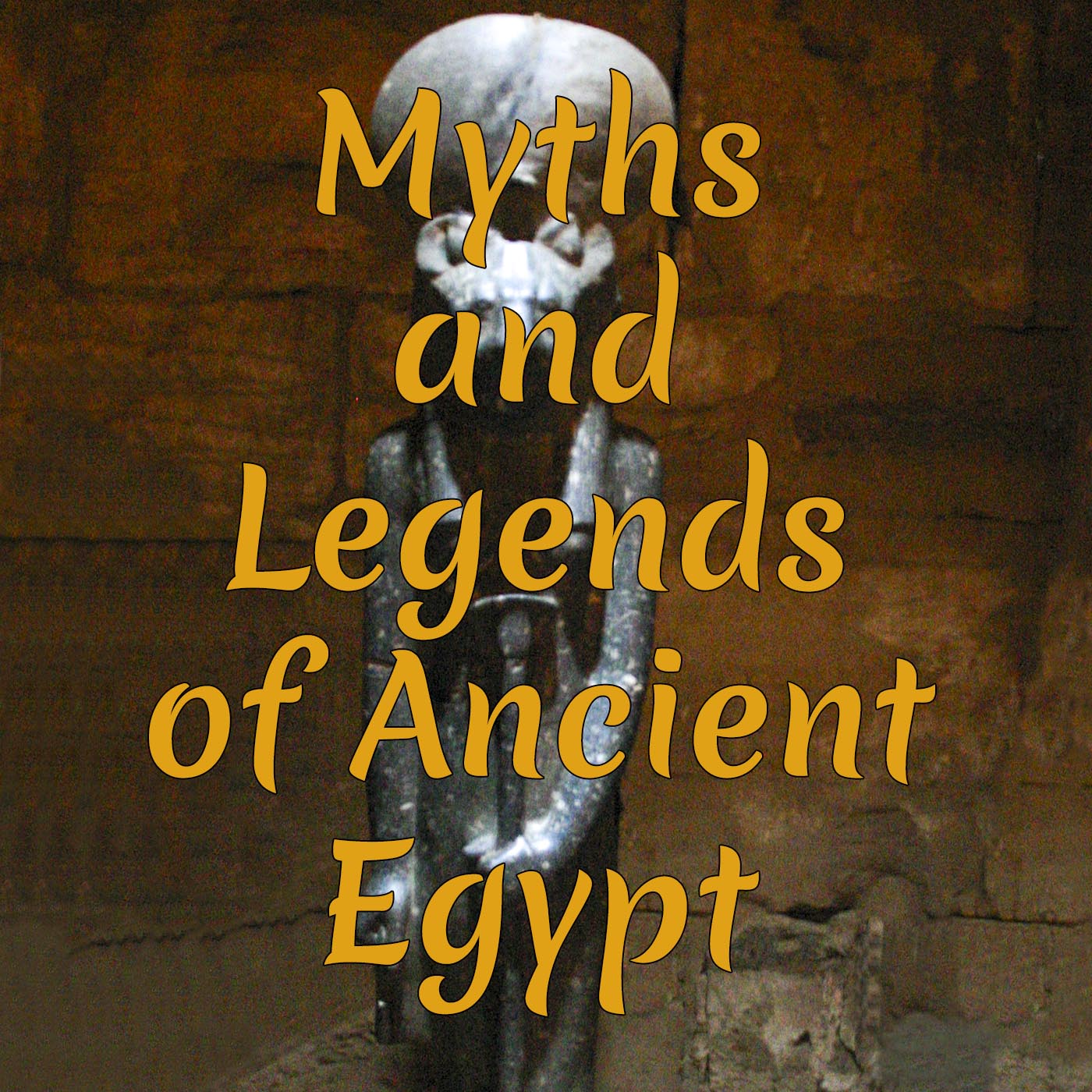
The episode provides an extensive overview of Sakhamat (Sekhmet), an ancient Egyptian goddess associated with power, war, destruction, healing, and protection. Below is a summary:
Origins and Mythology: Sakhamat, derived from “sxm” (power) and “t” (female), is a lioness-headed goddess linked to war, destruction, and healing. She is central to the myth of the “Destruction of Mankind,” where she punished humanity at Ra’s command but was pacified by drinking red-dyed beer, mistaking it for blood. This event is commemorated in the festival of drunkenness.
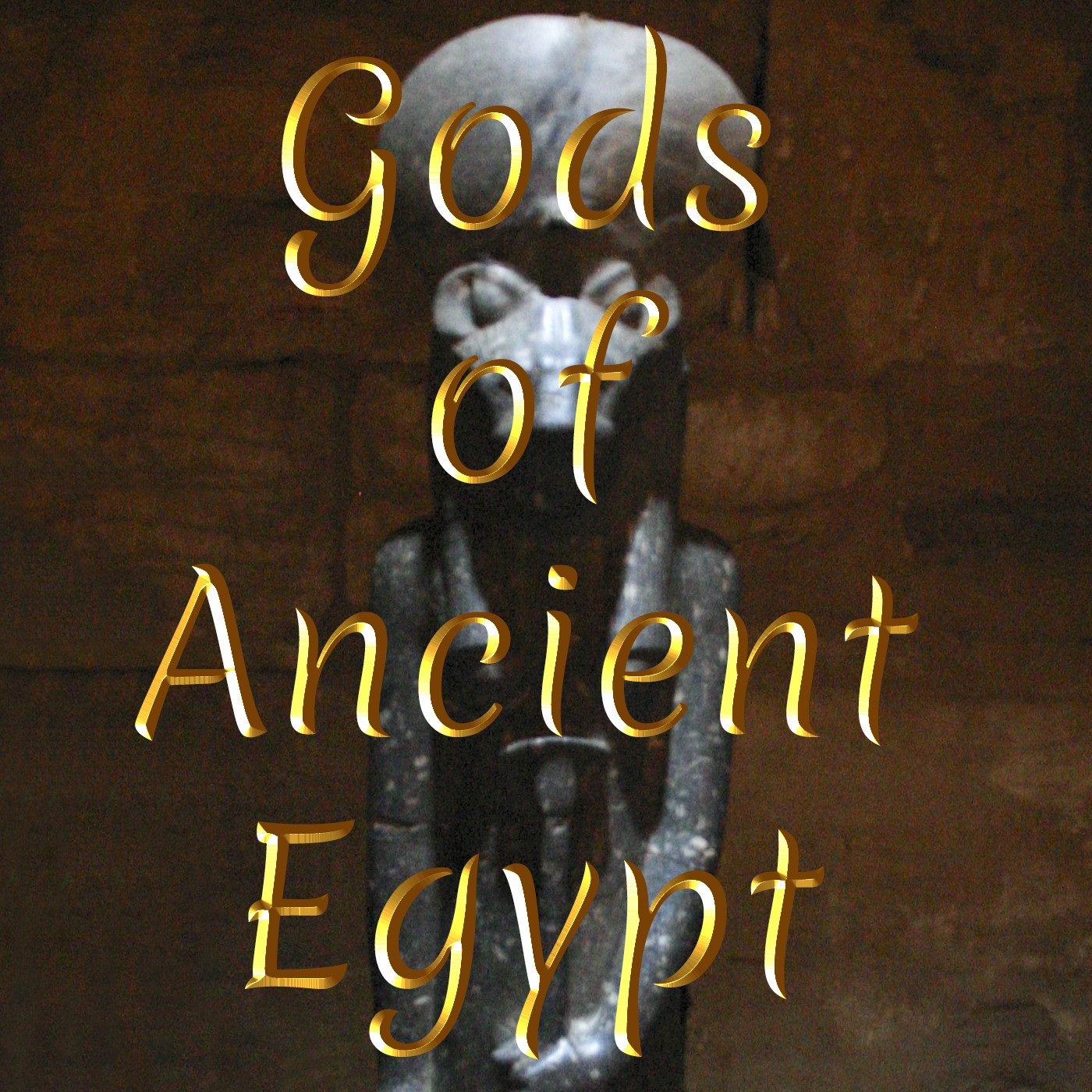
Appearance: Sakhamat is depicted as a lioness or a gold-skinned woman with a lioness head, sun disk headdress, and cobra uraeus. Her attire includes a broad collar and a sheer sheath dress, symbolizing youth and fertility.
Roles and Associations:
War and Protection: Patroness of pharaohs, she embodies duality as a war goddess and protector. Her destructive powers are bound by righteousness (Ma’at). Healing and Medicine: Sakhamat controls disease demons (xAtyw) and patronizes physicians. Priests trained in her temples served as healers. Tree Cults: She is linked to sacred groves and tree cults, alongside other goddesses like Hathor, Bastet, and Isis.
Worship Centers:
Memphis: Sakhamat was worshipped alongside Ptah and their son Nefertem. She absorbed the local goddess of Memphis. Karnak: Hundreds of her statues were erected during Amenhotep III’s reign, and she was syncretized with Mut. Other Sites: Temples and cults dedicated to Sakhamat existed in Kom el-Hisn, Abusir, and other locations.
Rituals and Festivals: Sakhamat was honored in rituals to protect against her “Seven Arrows” of pestilence, with amulets and menat necklaces used to appease her. The festival of drunkenness celebrated her pacification.
Historical Influence: Sakhamat’s cult persisted through various dynasties, including the Old Kingdom, New Kingdom, and Ptolemaic era, often protecting mortuary temples from dismantlement.
Sakhamat embodies a complex duality as a goddess of destruction and healing, deeply integrated into Egyptian mythology, religion, and royal patronage.
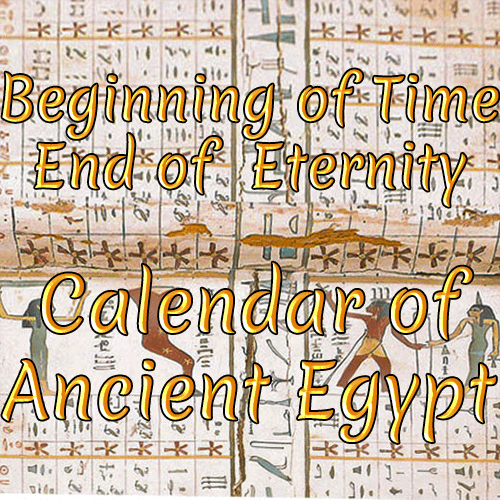
In the introduction to the ancient Egyptian calendar, you discover the several calendars used by the ancient Egyptians and the celestial or seasonal events that synchronize them. Topics covered include the lunar, solar, cosmic, and regnal calendars, as well as the so-called horoscope calendar of lucky and unlucky days. It provides an in-depth overview of the Egyptian religious and civil calendars, their structure, significance, and associated festivities. The episode explores the Sothic Cycle, an ancient Egyptian astronomical system used to track time based on the heliacal rising of the star Sirius (Sothis).
The episode explores the connection between the Egyptian calendar and astronomical phenomena, particularly the heliacal rising of Sirius. It discusses the Egyptian year, which consisted of 365 days and receded one day every four years compared to the Julian year, forming a cycle of 1461 years known as the Sothic cycle. The author examines historical records, inscriptions, and calculations to analyze the alignment of the Egyptian calendar with the rising of Sirius and the implications for dating events.
The ancient Egyptian calendar evolved from natural observations to a fixed system, reflecting both practical needs and cultural traditions. Its endurance highlights the interplay between astronomy, agriculture, and societal organization in ancient Egypt.
Ta’wy Podcast Channel
Beginning of Time ~ End of Eternity – Calendar of Ancient Egypt: Introduction to the Ancient Egyptian Calendar
The Judgment of Horus and Seth, also known as the Contendings of Horus and Seth, is an ancient Egyptian myth that recounts the story of the gods’ struggle for the throne of Egypt following the death of Osiris. The conflict between Horus, Osiris’ son, and Seth, Osiris’ brother, lasted for decades and involved numerous trials and contests to determine who was the rightful ruler.
Key Events
After Seth murdered Osiris, Horus claimed the throne as his birthright, but Seth argued that he was stronger and more capable of ruling.
The gods of the Ennead, led by Ra, acted as judges in the dispute.
Horus and Seth engaged in various competitions, including boat races, wrestling matches, and magical duels.
At one point, Seth attempted to humiliate Horus by assaulting him, but Horus’ mother, Isis, intervened.
The gods debated for years, with some supporting Seth and others favoring Horus.
Eventually, Osiris himself intervened from the afterlife, demanding justice for his son.
The gods finally ruled in favor of Horus, declaring him the rightful king of Egypt.
This myth was significant in Egyptian culture because it reinforced the idea of divine kingship, legitimizing the rule of pharaohs as descendants of Horus. It also symbolized the eternal struggle between order (Ma’at) and chaos, with Horus representing stability and Seth embodying disorder.
Ta’wy Podcast Channel
Myths and Legends of Ancient Egypt – Judgment of Horus and Seth
The Destruction of Mankind is a dramatic myth from ancient Egyptian mythology, found in the Book of the Heavenly Cow. It tells the story of how the sun god Ra sought to punish humanity for their rebellion against him.
According to the myth, Ra, growing old and weary, overheard humans plotting against him. Enraged, he summoned the other gods for counsel, and they advised him to unleash his Eye, which took the form of the fierce goddess Hathor (who later transformed into Sekhmet) to carry out the destruction. Sekhmet became a bloodthirsty force, slaughtering humans mercilessly.
However, Ra soon regretted the devastation and sought to stop Sekhmet. To do so, he tricked her by flooding the land with red-dyed beer, making it resemble blood. Sekhmet, thinking it was blood, drank it and became intoxicated, losing her desire for destruction. Thus, humanity was spared, but the myth explains the introduction of suffering and death into the world.
This tale reflects themes of divine justice, punishment, and mercy, showing the balance between destruction and salvation in Egyptian belief systems. It also highlights the power of Ra and the dual nature of Hathor/Sekhmet as both a nurturing and destructive force.
Ta’wy Podcast Channel
Myths and Legends of Ancient Egypt – The Destruction of Mankind
The document provides an extensive overview of Ra, the ancient Egyptian sun god, highlighting his significance, mythology, and worship. Ra is described as a transcendent deity often syncretized with other gods, such as Atum, Khnum, Amun, and Horus, representing different aspects of creation and the sun’s cycle (morning, midday, and evening). His mythos includes his role as the creator, his struggles against adversaries like Apep in the underworld, and his interactions with other gods, such as Isis, who gained his secret name to save him from venom. Ra’s worship dates back to the Second Dynasty and peaked during the Old Kingdom, where rulers were considered “Sons of Ra” and temples with obelisks symbolized his power.
Ra’s myths include the Bennu bird, akin to the phoenix, symbolizing creation and renewal. He is depicted as a falcon-headed man with a sun disc and cobra headdress, traveling in his night boat through the underworld. His eye, represented by Hathor and Sekhmet, is a powerful force used to punish humanity. Ra’s daily journey across the sky and his role in creation are celebrated in hymns, emphasizing his perfection, radiance, and eternal labor.