In this episode, we look at the hrw Hryw rnpt, the “Days Above the Year” in the ancient Egyptian calendar. These five added days — created through the wisdom of Thoth — made room for the births of the children of Nut and Geb. They sit outside the normal 360‑day year and mark one of the most important mythological moments in Egyptian timekeeping.
Tag: Isis
-
Beginning of Time ~ End of Eternity – Calendar of Ancient Egypt: Introduction to the Ancient Egyptian Calendar
In the introduction to the ancient Egyptian calendar, you discover the several calendars used by the ancient Egyptians and the celestial or seasonal events that synchronize them. Topics covered include the lunar, solar, cosmic, and regnal calendars, as well as the so-called horoscope calendar of lucky and unlucky days. It provides an in-depth overview of the Egyptian religious and civil calendars, their structure, significance, and associated festivities. The episode explores the Sothic Cycle, an ancient Egyptian astronomical system used to track time based on the heliacal rising of the star Sirius (Sothis).
The episode explores the connection between the Egyptian calendar and astronomical phenomena, particularly the heliacal rising of Sirius. It discusses the Egyptian year, which consisted of 365 days and receded one day every four years compared to the Julian year, forming a cycle of 1461 years known as the Sothic cycle. The author examines historical records, inscriptions, and calculations to analyze the alignment of the Egyptian calendar with the rising of Sirius and the implications for dating events.
The ancient Egyptian calendar evolved from natural observations to a fixed system, reflecting both practical needs and cultural traditions. Its endurance highlights the interplay between astronomy, agriculture, and societal organization in ancient Egypt.
 /RSS Feed
 -
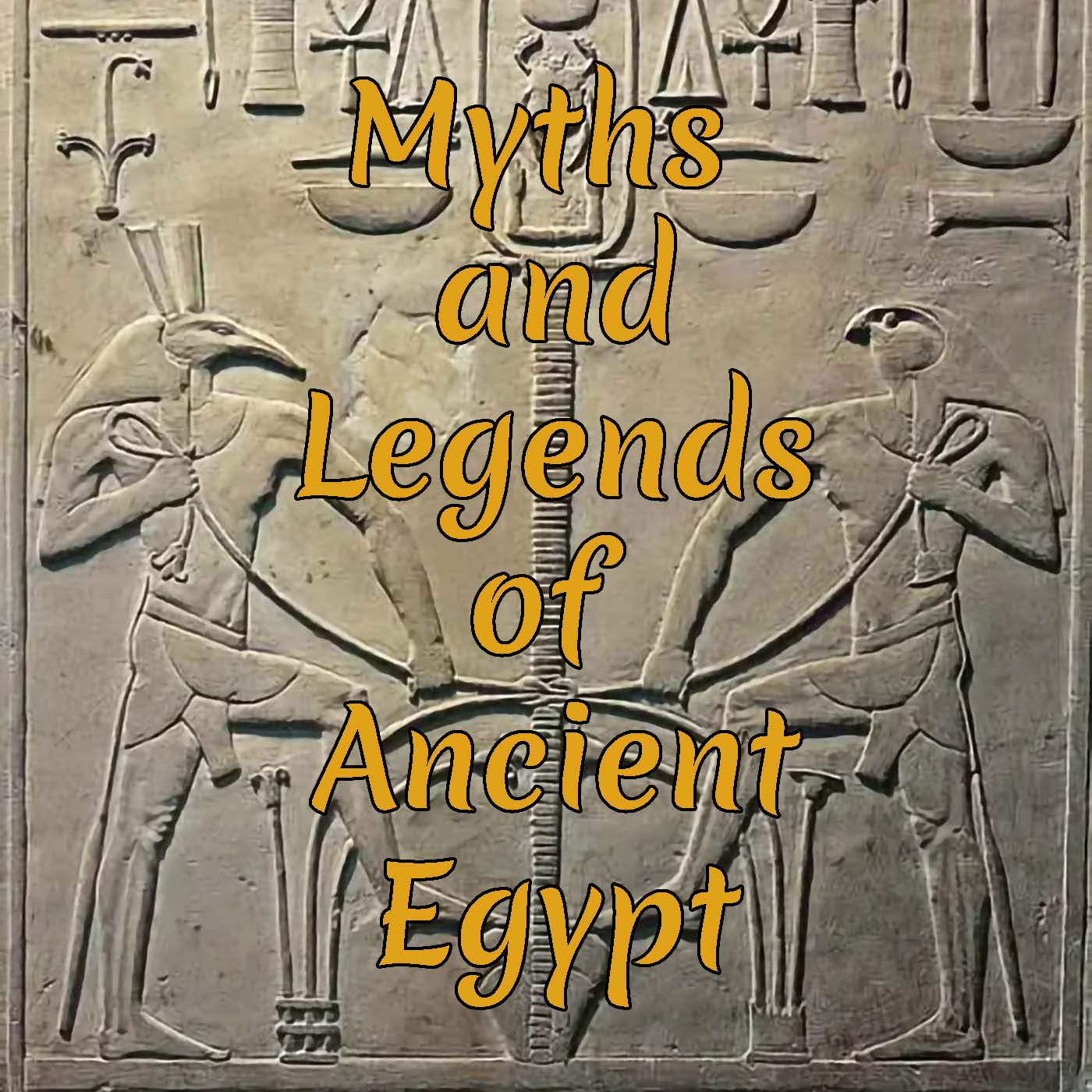
Myths and Legends of Ancient Egypt – Judgment of Horus and Seth
The Judgment of Horus and Seth, also known as the Contendings of Horus and Seth, is an ancient Egyptian myth that recounts the story of the gods’ struggle for the throne of Egypt following the death of Osiris. The conflict between Horus, Osiris’ son, and Seth, Osiris’ brother, lasted for decades and involved numerous trials and contests to determine who was the rightful ruler.
Key Events
- After Seth murdered Osiris, Horus claimed the throne as his birthright, but Seth argued that he was stronger and more capable of ruling.
- The gods of the Ennead, led by Ra, acted as judges in the dispute.
- Horus and Seth engaged in various competitions, including boat races, wrestling matches, and magical duels.
- At one point, Seth attempted to humiliate Horus by assaulting him, but Horus’ mother, Isis, intervened.
- The gods debated for years, with some supporting Seth and others favoring Horus.
- Eventually, Osiris himself intervened from the afterlife, demanding justice for his son.
- The gods finally ruled in favor of Horus, declaring him the rightful king of Egypt.
This myth was significant in Egyptian culture because it reinforced the idea of divine kingship, legitimizing the rule of pharaohs as descendants of Horus. It also symbolized the eternal struggle between order (Ma’at) and chaos, with Horus representing stability and Seth embodying disorder.
/RSS Feed
