Tag: Ra

  • Gods of Ancient Egypt: Thoth

    Gods of Ancient Egypt: Thoth

    An in-depth exploration of Thoth, the ancient Egyptian deity of wisdom, writing, and knowledge, detailing his attributes, representations, and significance in Egyptian culture.

    Thoth: The God of Wisdom and Writing ​

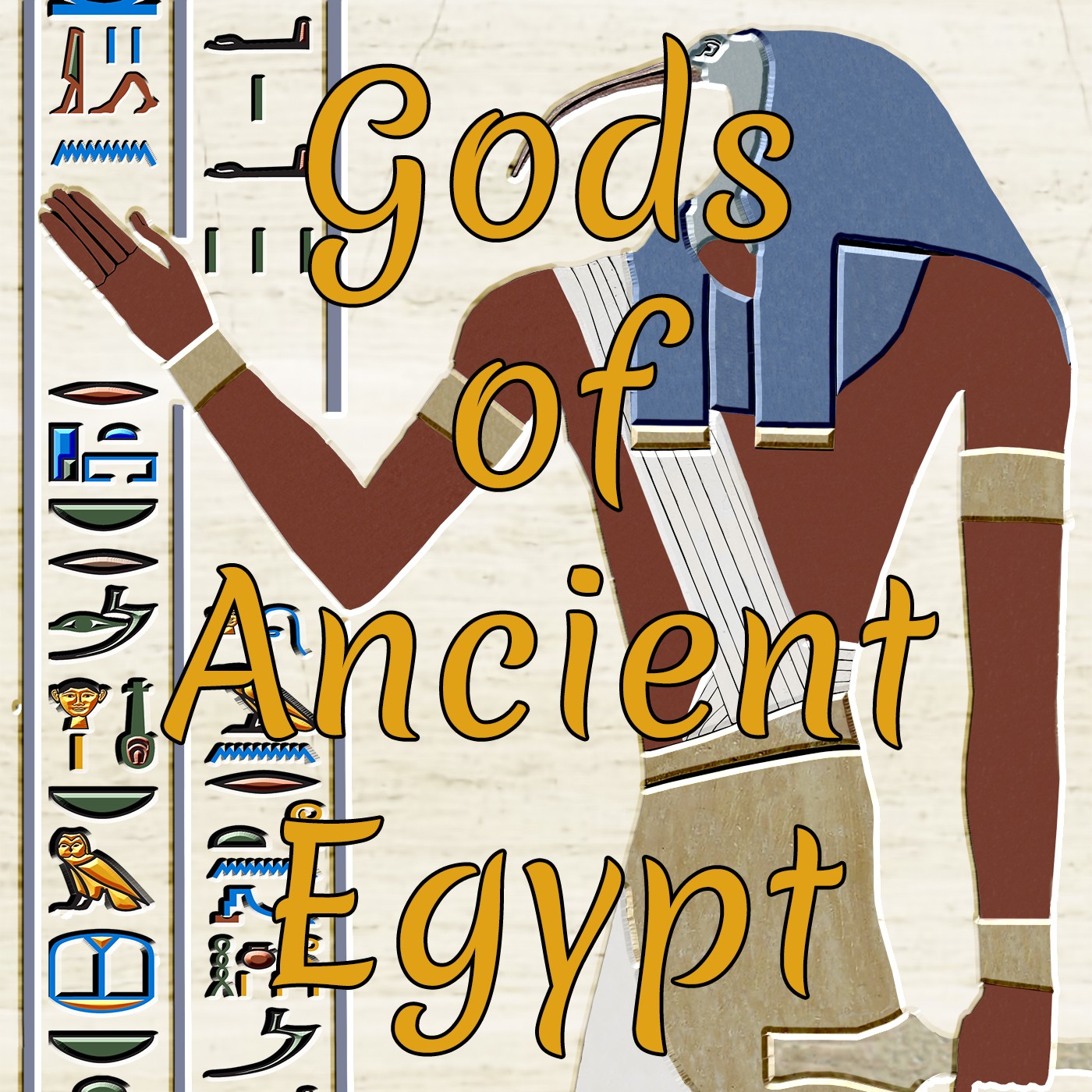
    Thoth, known as DHwty in ancient Egyptian, is the deity associated with intelligence, wisdom, and the written word. ​ He is revered as the patron of scribes and the embodiment of reasoning and logic.

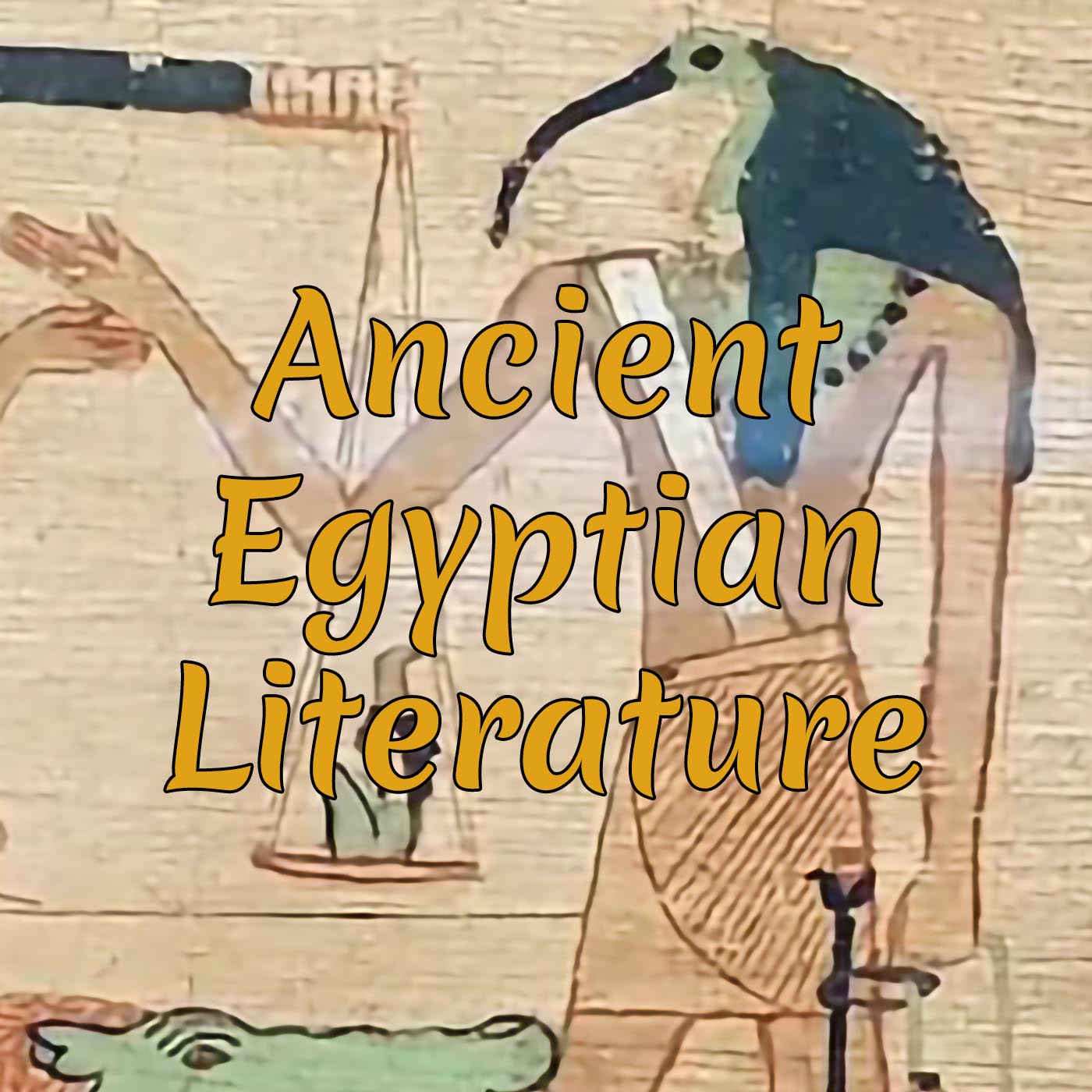
    • Thoth is often depicted as an ibis or a baboon, symbolizing his connection to knowledge and the moon. ​
    • His name is derived from the Egyptian DHwty, meaning “He of the Ibis.” ​
    • Thoth was crucial in ancient Egyptian mythology, including creating the 365-day year. ​
    • He is associated with the judgment of the dead, recording the outcomes in the afterlife.
    • Thoth’s consorts include Seshat, the goddess of writing, and Ma’at, the goddess of truth and justice.

    Thoth’s Role in Funerary Practices

    In ancient Egyptian funerary customs, Thoth had significant responsibilities, ensuring safe passage to the afterlife. ​ His presence was invoked in various texts and rituals related to death and judgment.

    • In funerary texts, he is depicted as a protector of tombs and the dead, ensuring their safe journey in the afterlife. ​
    • Thoth is often mentioned in the “Utterances of Going Forth in the Day,” which guide the deceased through the afterlife.
    • He is responsible for recording the judgment of the deceased’s heart against the feather of Ma’at. ​
    • Thoth’s ibis amulets were commonly used in mummification practices.

    Festivals Celebrating Thoth

    Thoth was celebrated through various festivals that honored his contributions to wisdom and the lunar calendar. These festivals were integral to ancient Egypt’s religious and cultural practices.

    • The Festival of Thoth was marked by food and drink offerings, including a thousand beers and bread.
    • The month of Txy, associated with drunkenness, was dedicated to Thoth, highlighting his significance in the lunar calendar. ​
    • Specific days, such as Day 19, honored Thoth and Osiris, celebrating the cycle of death and rebirth.

    Thoth’s Influence on Pharaohs and Royalty

    Thoth had a profound influence on the pharaohs of ancient Egypt. He was often depicted in royal iconography and associated with their divine right to rule. His presence was essential in coronation rituals and royal decrees.

    • Pharaohs like Thutmose III and Amenhotep III had statues of Thoth erected in their honor.
    • Thoth is depicted in scenes where he bestows life and authority upon pharaohs during their coronation.
    • He is often shown alongside other deities, emphasizing his role in Egypt’s divine order and governance.

    Myths and Legends Involving Thoth

    Thoth is central to various myths that explain cosmic order, creation, and the relationship between gods and humanity. His stories illustrate the importance of wisdom and knowledge in maintaining balance in the universe.

    • In the Heliopolitan creation myth, Thoth establishes the 365-day calendar. ​
    • He is depicted as a mediator between gods, often resolving conflicts and restoring order.
    • Thoth’s interactions with other deities, such as Ra and Horus, highlight his significance in the pantheon and his role in the cosmic balance.

    Hermopolis Magna and the Ogdoad

    Hermopolis Magna, known as the “Place of Eight,” is the center of worship for the deity DHwty. It is associated with the creation myth involving the Ogdoad, a group of eight primordial deities. ​ These deities created the cosmic egg from which DHwty emerged, later becoming a significant figure in Egyptian mythology and cosmology. ​

    • DHwty is the lord of Hermopolis Magna, also called el-Ashmunein. ​
    • The Ogdoad consists of eight creator deities, four male and four female. ​
    • DHwty commanded the Ogdoad to create the cosmic egg, leading to the first sunrise. ​
    • Over time, imn-ra displaced DHwty in prominence, becoming the primary deity.

    Sumenu and the Temple of DHwty ​

    Sumenu, also known as Crocodopolis, features a temple dedicated to DHwty, alongside the crocodile god sbk-ra. ​ A notable statue of the Second Prophet of imn-ra, Ay, is inscribed with its dedication to this temple.

    • Sumenu is modern-day Al-Mahamid Qibly.
    • The temple was dedicated to DHwty and sbk-ra. ​
    • A statue of Ay, a high priest, is currently housed in the Brooklyn Museum.

    Dakka and the Kushite Temple

    In Dakka, a temple dedicated to DHwty was established during the Kushite Kingdom, initiated by King Arkamani and later expanded by Ptolemy IV. ​ This temple is associated with the jujube tree, symbolizing DHwty’s waiting for his wife’s return.

    • The temple was built in the third century BCE.
    • It was dedicated to the DHwty of pr-nbs and linked to the jujube tree. ​
    • The temple underwent expansions during the Roman period.

    Dakhla Oasis and DHwty’s Worship

    A temple of DHwty exists in the Dakhla Oasis, where Rameses VI is depicted praising DHwty. ​ This temple highlights the significance of DHwty in the region during the 19th dynasty. ​

    • The temple is located in the western desert st-wAH.
    • Rameses VI’s praises of DHwty are depicted in the temple. ​

    Memphite Theology and DHwty’s Role ​

    The Memphite Theology, inscribed on the Shabaka Stone, emphasizes DHwty’s integral role in creation alongside Ptah. ​ This text illustrates the connection between DHwty and the creation of all deities and spirits.

    • The Shabaka Stone is from the Great Temple of Ptah in Memphis. ​
    • It dates back to the 25th dynasty (744–656 BCE).
    • DHwty is depicted as a key figure in the creation narrative.

    Karnak and the Sacred Ished Tree ​

    At Karnak, DHwty is associated with the sacred iSd tree, which records the Pharaoh’s reign and deeds. ​ This connection underscores DHwty’s role in maintaining cosmic order and knowledge.

    • The iSd tree is considered sacred in ancient Egypt.
    • DHwty or his consort records Pharaoh’s achievements on its leaves. ​

    Cultural Significance of DHwty in Literature ​

    DHwty appears in various significant literary works, including the “Eloquent Peasant” and “Instruction of Amenemopet,” emphasizing his association with wisdom, justice, and moral conduct. ​

    • The “Eloquent Peasant” highlights the importance of mAat and DHwty’s role in justice.
    • “Instruction of Amenemopet” advises on ethical behavior and the consequences of wrongdoing.

    The Leiden Hymns and DHwty’s Wisdom ​

    The Leiden hymns, dating from the reign of Rameses II, extol the wisdom of DHwty, linking him to the divine knowledge sought by the followers of imn-ra. ​ This text reflects the reverence for DHwty’s intellectual legacy.

    • The hymns are from the 52nd regnal year of Rameses II.
    • They emphasize DHwty’s role in wisdom and knowledge.

    The Tale of Setna II and DHwty’s Magic

    The Tale of Setna II narrates the adventures of a prince seeking DHwty’s magical book, illustrating the dangers of violating sacred spaces and the consequences of seeking forbidden knowledge.

    • The story involves the quest for a powerful book of magic.
    • It highlights the repercussions of stealing DHwty’s knowledge.

    Hermeticism and DHwty’s Legacy

    Hermetic texts, attributed to Hermes Trismegistus, reflect DHwty’s syncretism with Greek philosophy and emphasize his enduring influence on various philosophical movements throughout history. ​

    • Hermes Trismegistus is a syncretic deity combining DHwty and Hermes.
    • Hermeticism flourished during the Graeco-Roman period and influenced later philosophical thought.

    Hymn to DHwty from PetOsiris’ Tomb ​

    A hymn from PetOsiris’s tomb praises DHwty as the master of knowledge and guidance, emphasizing the importance of following his teachings for a prosperous life.

    • The hymn highlights DHwty’s role as a guide and protector.
    • It underscores the significance of mAat and ethical living in ancient Egyptian culture. ​

    Ta'wy Podcast Channel
    Ta’wy Podcast Channel
    Gods of Ancient Egypt: Thoth
    Loading
    /
  • Beginning of Time ~ End of Eternity – Calendar of Ancient Egypt: Second Month of Inundation – Cloth

    Beginning of Time ~ End of Eternity – Calendar of Ancient Egypt: Second Month of Inundation – Cloth

    This episode explores the second month of the ancient Egyptian inundation season, known as the Month of Cloth. Guided by the goddess Neith, this month includes a series of festivals, rituals, and mythological events recorded in temple calendars and ancient texts. We walk through the month’s major observances and what they reveal about how the Egyptians understood creation, protection, and the structure of sacred time.

    Ta'wy Podcast Channel
    Ta’wy Podcast Channel
    Beginning of Time ~ End of Eternity – Calendar of Ancient Egypt: Second Month of Inundation – Cloth
    Loading
    /
  • Ancient Egyptian Literature – The Battle of Kadesh

    Ancient Egyptian Literature – The Battle of Kadesh

    In this episode of Ancient Egyptian Literature, we are delving into the Battle of Kadesh, a monumental military action between Rameses the Great and the Hittites. Two versions of this story appear in ancient Egypt. The first, the official report, also called the bulletin, with seven copies found, and the second, dubbed the Poem of pntAwrt, with eight copies, are found inscribed, sometimes side by side, at the Ramesseum, Rameses’ funerary temple, the temple of Amun at Karnak, Abydos, and Abu Simbel.

    The Battle of Kadesh was a significant military conflict between Rameses II (Rameses the Great) of Egypt and the Hittites, led by King Mutawallis, in 1275 BCE. ​ It occurred near the fortified city of Kadesh in northern Syria, a strategic location contested by Egypt and Hatti for centuries due to its importance in controlling the Syrian plain. ​

    Rameses II aimed to reclaim territories in the Levant that had been lost to the Hittites during earlier dynasties. ​ He assembled a large army of 20,000 men, divided into four divisions (Amun, Ra, Ptah, and Seth), and marched northward. ​ Aware of Rameses’ ambitions, the Hittites organized a massive army of allied states, numbering up to 37,000 infantry and 3,700 chariots. ​

    Hittite spies misled Rameses into believing the enemy was far away in Aleppo, but the Hittite forces were concealed behind Kadesh. As Rameses camped with the Division of Amun, the Hittites launched a surprise attack on the Division of Ra, causing chaos and retreat. ​ The Hittite chariots advanced toward Rameses’ camp, scattering the Division of Amun. ​

    Despite being surrounded and abandoned by much of his army, Rameses rallied his elite chariotry and fought back, turning the tide of the battle. ​ Reinforcements from the elite unit “nfrw” arrived and helped crush the Hittite forces. ​ Mutawallis sent a second wave of troops, but were defeated as they attempted to plunder Rameses’ camp.

    Ultimately, Rameses regrouped his forces and prepared for a counterattack, prompting Mutawallis to request an armistice. ​ Rameses agreed and returned to Egypt, but the Hittites later retook the city of Amurru, undoing Egypt’s earlier gains. ​

    The battle is notable for its detailed accounts left by Rameses, including the “Official Report” and the “Poem of Pentawer,” which glorify his role in the conflict. ​ While the battle ended inconclusively, it demonstrated Rameses’ military prowess and marked a pivotal moment in Egyptian-Hittite relations. ​

    Patreon patrons receive the full 54-minute episode, which includes a complete dramatic retelling of the texts and an accompanying discussion of Rameses’ armies, the battle, and surrounding events. They also receive a 26-page illustrated eBook with discussion, maps, a glossary, and access to peer-reviewed reference materials from the Par Madja’at—House of Ancient Egyptian Books.

    Ta'wy Podcast Channel
    Ta’wy Podcast Channel
    Ancient Egyptian Literature – The Battle of Kadesh
    Loading
    /
  • Myths and Legends of Ancient Egypt: The Book of Knowing the Creations of Ra

    Myths and Legends of Ancient Egypt: The Book of Knowing the Creations of Ra

    The Book of Knowing the Creations of Ra is an ancient Egyptian creation myth that narrates the self-creation of Ra, the sun god, and his role in forming the universe. ​ Ra, also known as Khepra (the scarab beetle of creation), describes his emergence during the sp tpy (First Occasion), the moment of creation. He creates his children, Shu (the lower sky/atmosphere) and Tefnut (sky moisture), through self-insemination and spitting them out. ​ Ra’s bA spirit manifests as Heka (magic), the creative force of the universe, which is invoked in rituals but not inherently present in humans. ​

    Ra continues to create primeval beings from the nnw (primeval waters) and plans further creations using his Eye, representing the physical sun. ​ His children form the Great Ennead (nine deities worshipped at Heliopolis), including Geb (earth), Nut (sky), Osiris, Horus, Seth, Isis, and Nephthys, who further populate the world. ​

    The text transitions into the ritual destruction of App (Apophis), a primeval serpent embodying uncreation and chaos (isft), which threatens the cosmic balance (mAat). ​ Seth defeats App nightly, who spears him to protect Ra’s sun boat during its journey through the dwAt (netherworld). ​ App is imprisoned by Akr, a deity of the horizon, and consumed by the Glorious Eye of Ra, which destroys his bA (spirit), Dt (body), Swyt (shadow), and Heka.

    The myth emphasizes the constant battle between creation and uncreation, the interconnected spirits (bA, kA, Dt), and the importance of maintaining cosmic balance (mAat). ​ The text is part of the Bremner Rhind Papyrus, dated 312-311 BCE, and includes other rituals and hymns. It reflects the rich mythology and spiritual beliefs of ancient Egypt. ​

    Ta'wy Podcast Channel
    Ta’wy Podcast Channel
    Myths and Legends of Ancient Egypt: The Book of Knowing the Creations of Ra
    Loading
    /
  • Myths and Legends of Ancient Egypt: Reckoning of the Mounds of the Primeval Time

    Myths and Legends of Ancient Egypt: Reckoning of the Mounds of the Primeval Time

    Myths and Legends of Ancient Egypt: The Reckoning of the Mounds of Primeval Time is a dramatic retelling of the creation myth associated with the Temple of Horus at Edfu. The story explores the cosmogeny of ancient Egypt, focusing on the primeval mounds that emerged from the waters of chaos at the dawn of time. It highlights the role of Ra, Horus, and other deities in shaping the world and establishing order. The myth is deeply tied to Behdet, an ancient name for Edfu, and reflects Egyptian beliefs about divine rulership and cosmic balance. You can find more details here.

    Ta'wy Podcast Channel
    Ta’wy Podcast Channel
    Myths and Legends of Ancient Egypt: Reckoning of the Mounds of the Primeval Time
    Loading
    /
  • Beginning of Time ~ End of Eternity – Calendar of Ancient Egypt: Introduction to the Ancient Egyptian Calendar

    Beginning of Time ~ End of Eternity – Calendar of Ancient Egypt: Introduction to the Ancient Egyptian Calendar

    In the introduction to the ancient Egyptian calendar, you discover the several calendars used by the ancient Egyptians and the celestial or seasonal events that synchronize them. Topics covered include the lunar, solar, cosmic, and regnal calendars, as well as the so-called horoscope calendar of lucky and unlucky days. It provides an in-depth overview of the Egyptian religious and civil calendars, their structure, significance, and associated festivities. The episode explores the Sothic Cycle, an ancient Egyptian astronomical system used to track time based on the heliacal rising of the star Sirius (Sothis). ​

    The episode explores the connection between the Egyptian calendar and astronomical phenomena, particularly the heliacal rising of Sirius. ​ It discusses the Egyptian year, which consisted of 365 days and receded one day every four years compared to the Julian year, forming a cycle of 1461 years known as the Sothic cycle. ​ The author examines historical records, inscriptions, and calculations to analyze the alignment of the Egyptian calendar with the rising of Sirius and the implications for dating events.

    The ancient Egyptian calendar evolved from natural observations to a fixed system, reflecting both practical needs and cultural traditions. ​ Its endurance highlights the interplay between astronomy, agriculture, and societal organization in ancient Egypt. ​

    Ta'wy Podcast Channel
    Ta’wy Podcast Channel
    Beginning of Time ~ End of Eternity – Calendar of Ancient Egypt: Introduction to the Ancient Egyptian Calendar
    Loading
    /
  • Myths and Legends of Ancient Egypt – Judgment of Horus and Seth

    Myths and Legends of Ancient Egypt – Judgment of Horus and Seth

    The Judgment of Horus and Seth, also known as the Contendings of Horus and Seth, is an ancient Egyptian myth that recounts the story of the gods’ struggle for the throne of Egypt following the death of Osiris. The conflict between Horus, Osiris’ son, and Seth, Osiris’ brother, lasted for decades and involved numerous trials and contests to determine who was the rightful ruler.

    Key Events

    • After Seth murdered Osiris, Horus claimed the throne as his birthright, but Seth argued that he was stronger and more capable of ruling.
    • The gods of the Ennead, led by Ra, acted as judges in the dispute.
    • Horus and Seth engaged in various competitions, including boat races, wrestling matches, and magical duels.
    • At one point, Seth attempted to humiliate Horus by assaulting him, but Horus’ mother, Isis, intervened.
    • The gods debated for years, with some supporting Seth and others favoring Horus.
    • Eventually, Osiris himself intervened from the afterlife, demanding justice for his son.
    • The gods finally ruled in favor of Horus, declaring him the rightful king of Egypt.

    This myth was significant in Egyptian culture because it reinforced the idea of divine kingship, legitimizing the rule of pharaohs as descendants of Horus. It also symbolized the eternal struggle between order (Ma’at) and chaos, with Horus representing stability and Seth embodying disorder.

    Ta'wy Podcast Channel
    Ta’wy Podcast Channel
    Myths and Legends of Ancient Egypt – Judgment of Horus and Seth
    Loading
    /
  • Ancient Egyptian Literature – The Book of Thoth

    Ancient Egyptian Literature – The Book of Thoth

    The Book of Thoth refers to various ancient Egyptian texts attributed to Thoth, the god of writing, wisdom, and magic. It is often described as containing all knowledge of laws, magic, nature, and the afterlife.

    Origins and Mythology

    The Book of Thoth is a figure in Egyptian mythology, particularly in a story about Prince Neferkaptah, who stole the book from its hidden location at the bottom of the Nile near Coptos. The book was locked inside a series of boxes guarded by serpents. After retrieving it, Neferkaptah suffered divine punishment—his wife and son were killed, and he eventually took his own life.

    Contents and Significance

    • The book was said to contain two powerful spells:
    1. One allowed the reader to understand the speech of animals.
    2. The other granted the ability to perceive the gods themselves.
    • Egyptian priests attributed many writings to Thoth, believing he was the source of all knowledge.
    • Some texts associated with the Book of Thoth discuss scribal work, sacred animals, and the Duat (the realm of the dead).

    The Book of Thoth remains a fascinating part of Egyptian mythology, symbolizing hidden wisdom and the dangers of seeking forbidden knowledge.

    Ta'wy Podcast Channel
    Ta’wy Podcast Channel
    Ancient Egyptian Literature – The Book of Thoth
    Loading
    /
  • Great Pharaohs of Ancient Egypt: Rameses II

    Great Pharaohs of Ancient Egypt: Rameses II

    Ramesses II, also known as Ramesses the Great, was one of ancient Egypt’s most powerful and celebrated pharaohs. He ruled during the 19th Dynasty from 1279 to 1213 BCE. His reign lasted 66 years, making it one of the longest in Egyptian history.

    Key Achievements

    • Military Campaigns: He led numerous military expeditions, including the famous Battle of Kadesh against the Hittites, which resulted in the world’s first known peace treaty.
    • Monumental Construction: Ramesses II was a prolific builder, commissioning grand temples such as Abu Simbel, the Ramesseum, and additions to Karnak.
    • Political Influence: He expanded Egypt’s influence across the region, securing trade routes and fortifying borders.
    • Personal Life: He had over 200 wives and concubines, fathered 96 sons and 60 daughters, and lived to be around 90 years old.

    Ramesses II’s legacy endures through his monumental architecture and inscriptions, which can be found throughout Egypt. His mummy is now displayed at the National Museum of Egyptian Civilization in Cairo. He was so revered that later Egyptians referred to him as the “Great Ancestor”.

    Ta'wy Podcast Channel
    Ta’wy Podcast Channel
    Great Pharaohs of Ancient Egypt: Rameses II
    Loading
    /
  • Gods of Ancient Egypt: Shu

    Gods of Ancient Egypt: Shu

    Shu was a significant deity in ancient Egyptian mythology, revered as the god of air, light, and peace. He was one of the primordial gods and a member of the Ennead of Heliopolis, a group of nine deities central to Egyptian creation myths.

    Origins and Role

    Shu was created by itmw, the sun god, either by spitting or through self-generation. He was the twin brother and consort of tfnt, the goddess of moisture. Together, they gave birth to Geb (the earth god) and Nut (the sky goddess), making Shu the grandfather of Osiris, Isis, Set, and Nephthys.

    Symbolism and Depictions

    Shu was often depicted as a man wearing an ostrich feather, which symbolized lightness and emptiness. He was also shown holding up the sky, separating Nut from Geb to create space for life to exist. This act was crucial in Egyptian cosmology, as it established the duality of above and below, light and dark, order and chaos.

    Associations and Myths

    • Shu was associated with wind, air, and fog, which were sometimes referred to as his “bones.”
    • He was seen as a calming force, representing balance and truth (Ma’at).
    • In later myths, Shu was linked to Atlas, the Greek Titan who held up the heavens.

    Shu played a vital role in maintaining cosmic order, ensuring that the sky remained separate from the earth. His presence was believed to bring peace and stability, making him a revered figure in Egyptian religion.

    Ta'wy Podcast Channel
    Ta’wy Podcast Channel
    Gods of Ancient Egypt: Shu
    Loading
    /