Tag: Royal Canon

  • Great Pharaohs of Ancient Egypt: Rameses II

    Great Pharaohs of Ancient Egypt: Rameses II

    Ramesses II, also known as Ramesses the Great, was one of ancient Egypt’s most powerful and celebrated pharaohs. He ruled during the 19th Dynasty from 1279 to 1213 BCE. His reign lasted 66 years, making it one of the longest in Egyptian history.

    Key Achievements

    • Military Campaigns: He led numerous military expeditions, including the famous Battle of Kadesh against the Hittites, which resulted in the world’s first known peace treaty.
    • Monumental Construction: Ramesses II was a prolific builder, commissioning grand temples such as Abu Simbel, the Ramesseum, and additions to Karnak.
    • Political Influence: He expanded Egypt’s influence across the region, securing trade routes and fortifying borders.
    • Personal Life: He had over 200 wives and concubines, fathered 96 sons and 60 daughters, and lived to be around 90 years old.

    Ramesses II’s legacy endures through his monumental architecture and inscriptions, which can be found throughout Egypt. His mummy is now displayed at the National Museum of Egyptian Civilization in Cairo. He was so revered that later Egyptians referred to him as the “Great Ancestor”.
    Ta'wy Podcast Channel
    Ta’wy Podcast Channel
    Great Pharaohs of Ancient Egypt: Rameses II
    Loading
    /
  • Gods of Ancient Egypt – Ra

    Gods of Ancient Egypt – Ra

    The document provides an extensive overview of Ra, the ancient Egyptian sun god, highlighting his significance, mythology, and worship. ​ Ra is described as a transcendent deity often syncretized with other gods, such as Atum, Khnum, Amun, and Horus, representing different aspects of creation and the sun’s cycle (morning, midday, and evening). ​ His mythos includes his role as the creator, his struggles against adversaries like Apep in the underworld, and his interactions with other gods, such as Isis, who gained his secret name to save him from venom. Ra’s worship dates back to the Second Dynasty and peaked during the Old Kingdom, where rulers were considered “Sons of Ra” and temples with obelisks symbolized his power. ​

    Ra’s myths include the Bennu bird, akin to the phoenix, symbolizing creation and renewal. ​ He is depicted as a falcon-headed man with a sun disc and cobra headdress, traveling in his night boat through the underworld. ​ His eye, represented by Hathor and Sekhmet, is a powerful force used to punish humanity. ​ Ra’s daily journey across the sky and his role in creation are celebrated in hymns, emphasizing his perfection, radiance, and eternal labor. ​

    Ta'wy Podcast Channel
    Ta’wy Podcast Channel
    Gods of Ancient Egypt – Ra
    Loading
    /
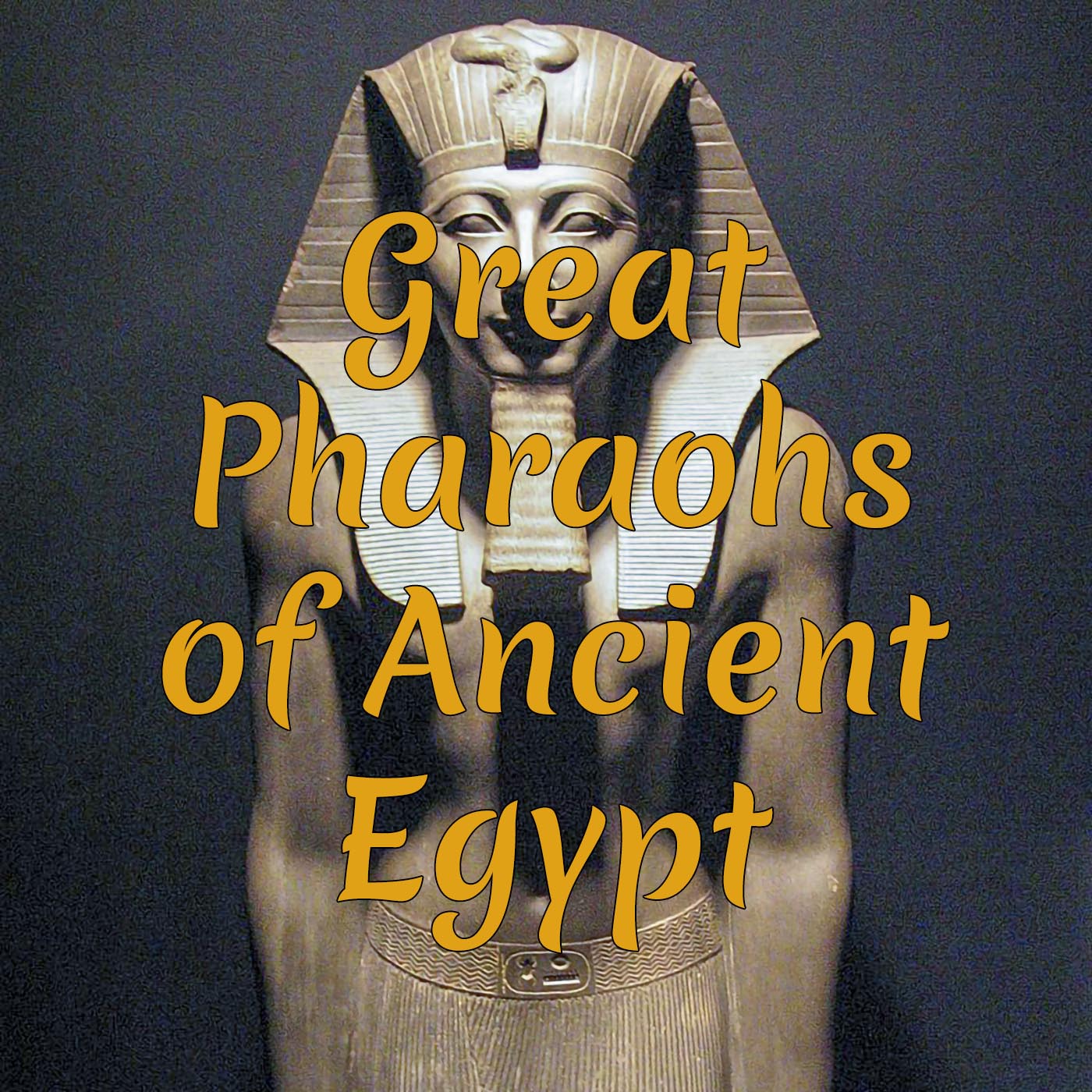
  • Great Pharaohs of Ancient Egypt: Thutmose III

    Great Pharaohs of Ancient Egypt: Thutmose III

    The episode is about Thutmose III, Pharaoh of Ancient Egypt, focusing on his life, military achievements, and legacy. ​
    Key Points:

    Introduction: The speech begins with an Ancient Egyptian greeting and introduces Thutmose III, emphasizing his significance as a military strategist who restored Egypt’s empire after a period of weakness under his predecessors. ​

    Early Life and Co-Regency with Hatshepsut: Thutmose III’s father died when he was young, leading to his half-sister Hatshepsut becoming regent. ​ She later crowned herself Pharaoh, sidelining Thutmose. ​ While Hatshepsut focused on building projects and propaganda, Thutmose prepared himself as a military commander. ​

    Military Campaigns: After Hatshepsut’s death, Thutmose III emerged as a warrior Pharaoh, leading campaigns to expand Egypt’s borders. ​ His most notable victory was the conquest of Megiddo, achieved through brilliant strategy and military prowess. ​

    Triumphant Return and Legacy: Thutmose III celebrated his victories by commissioning monuments and securing his empire through annual marches, hostage diplomacy, and appointing his son Amenhotep II as co-regent. ​ He also erased Hatshepsut’s legacy to ensure his progeny’s succession. ​

    Conclusion: The speech highlights Thutmose III’s role in protecting and expanding Egypt, enabling the construction of its iconic monuments. ​

    Sources:
    The episode references multiple historical texts, including works by Elizabeth Ann Payne, Robert B. Partridge, Mark Healy, and others, to support its claims. ​

    Ta'wy Podcast Channel
    Ta’wy Podcast Channel
    Great Pharaohs of Ancient Egypt: Thutmose III
    Loading
    /