
Ta’wy is a research organization in California dedicated to reconstructing ancient Egyptian culture by reviving the lifeways, crafts, and traditions of the Two Lands. Through evidence‑based study, hands‑on reproduction, and lived historical practice, we bring the material and cultural world of ancient Egypt into the present with accuracy and respect.

Click to Enlarge
tAwy – The Two Lands
In the heart of northeastern Africa, where the Nile carves its eternal path, the ancient Egyptians named their homeland  tAwy— ‘The Two Lands.’ This word was more than geography. It was a vision, a sacred truth, and the foundation of a civilization that endured for thousands of years.

Upper and Lower Egypt
tAwy referred to the duality at Egypt’s core: Upper Egypt, the narrow valley of the south, symbolized by the lotus, and Lower Egypt, the fertile Delta of the north, symbolized by the papyrus. Together, they formed a single kingdom, bound by the Nile’s lifeblood. To rule Egypt was not simply to govern land—it was to unite opposites, to hold balance between two halves of a sacred whole.

Click to Enlarge
Sema-Tawy
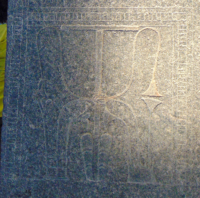
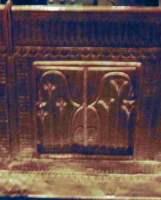
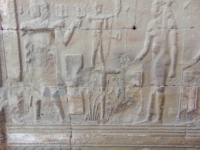
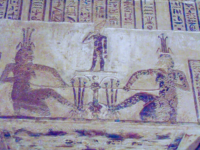
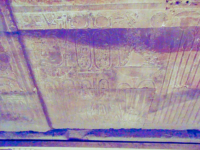
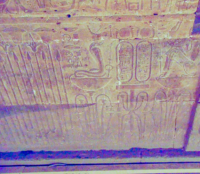
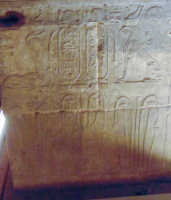
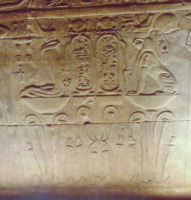
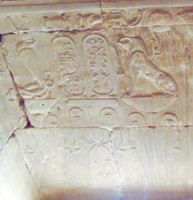
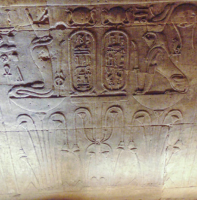
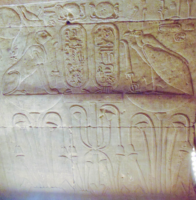
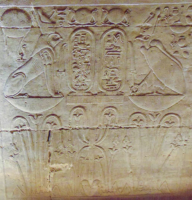
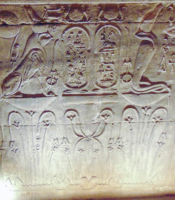
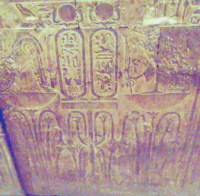
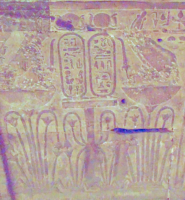
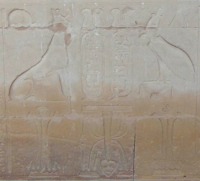
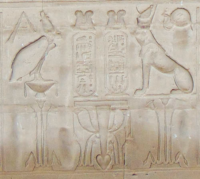
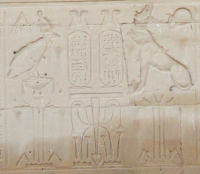
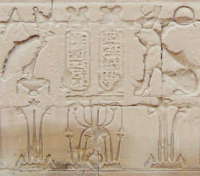
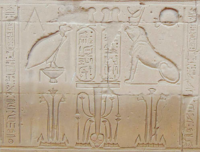
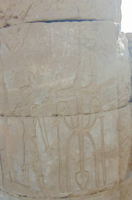
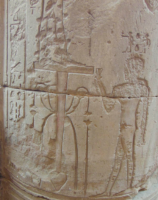
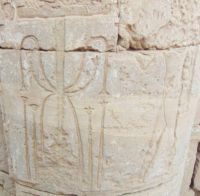
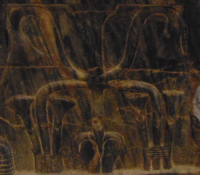
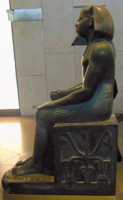
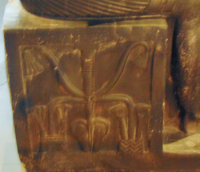
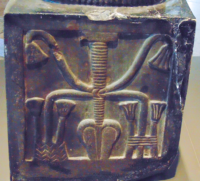
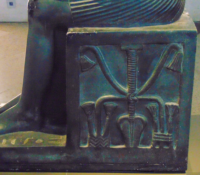
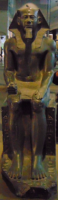
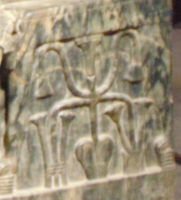
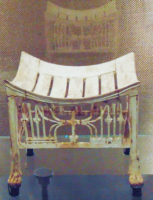
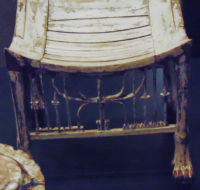
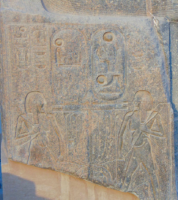
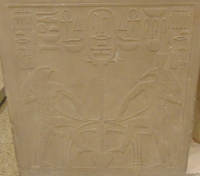
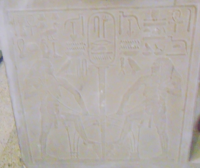
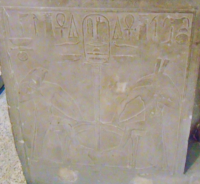
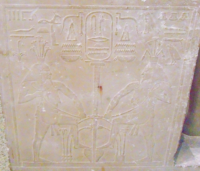
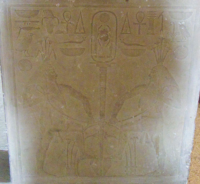
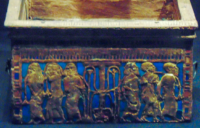
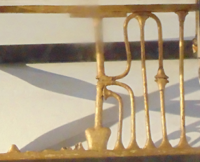
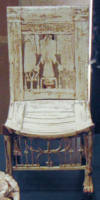
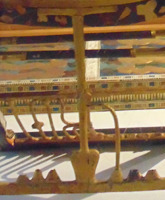
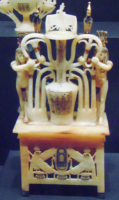
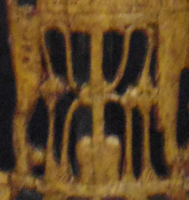
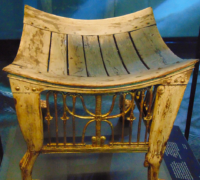
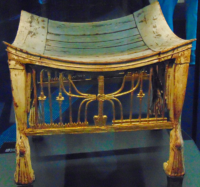
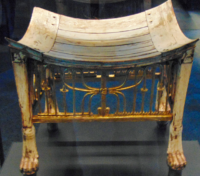
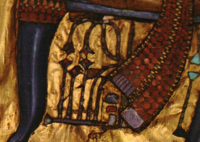
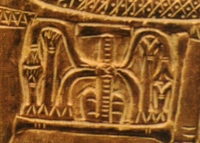
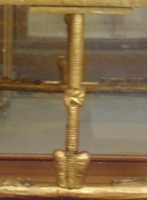
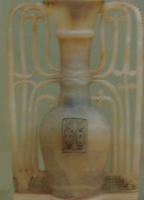
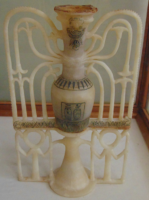
The unity of tAwy was expressed in the hieroglyph  semA-tAwy: the trachea and lungs, entwined with lotus and papyrus. Gods such as Horus and Seth, or Thoth and Hapi, were often depicted binding these plants together, thereby enacting the eternal union of north and south. This was not mere decoration—it was a ritual proclamation of cosmic order,
  mAat(Ma’at), made visible in stone.
Coronation Rituals
Every pharaoh was crowned not as king of one land, but as 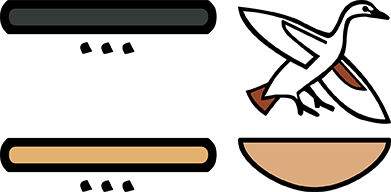 pA-nb-tAwy – Lord of the Two Lands.’ The coronation rite itself included the binding of lotus and papyrus, a ceremony that placed the ruler under the protection of both regions. To fail in this unity was to invite chaos. To succeed was to embody divine kingship.
Alternative Interpretations
Yet tAwy was not always understood as north and south. Some scholars suggest it could also mean east and west, the fertile black land  (kmt) and the barren red desert
 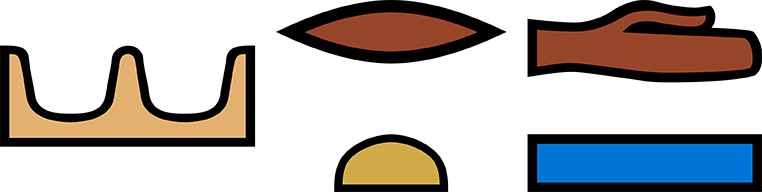 (dSrt), or even the realms of life and death. In this reading, tAwy becomes more than a political union—it is a cosmic balance, a dialogue between order and chaos, fertility and desolation, eternity and mortality.
tAwy was Egypt’s eternal paradox: two lands, yet one kingdom; two forces, yet one cosmos. To speak the word was to invoke unity, balance, and the divine harmony that sustained the world. Across three thousand years, the Egyptians never ceased to call themselves the 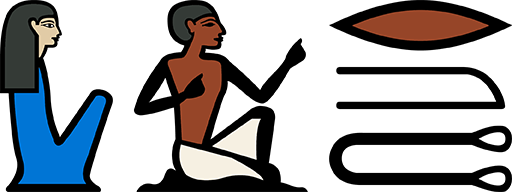 rmT of tAwy—the people of the Two Lands.