Author: Patrick A. McCoy, M. A.
-
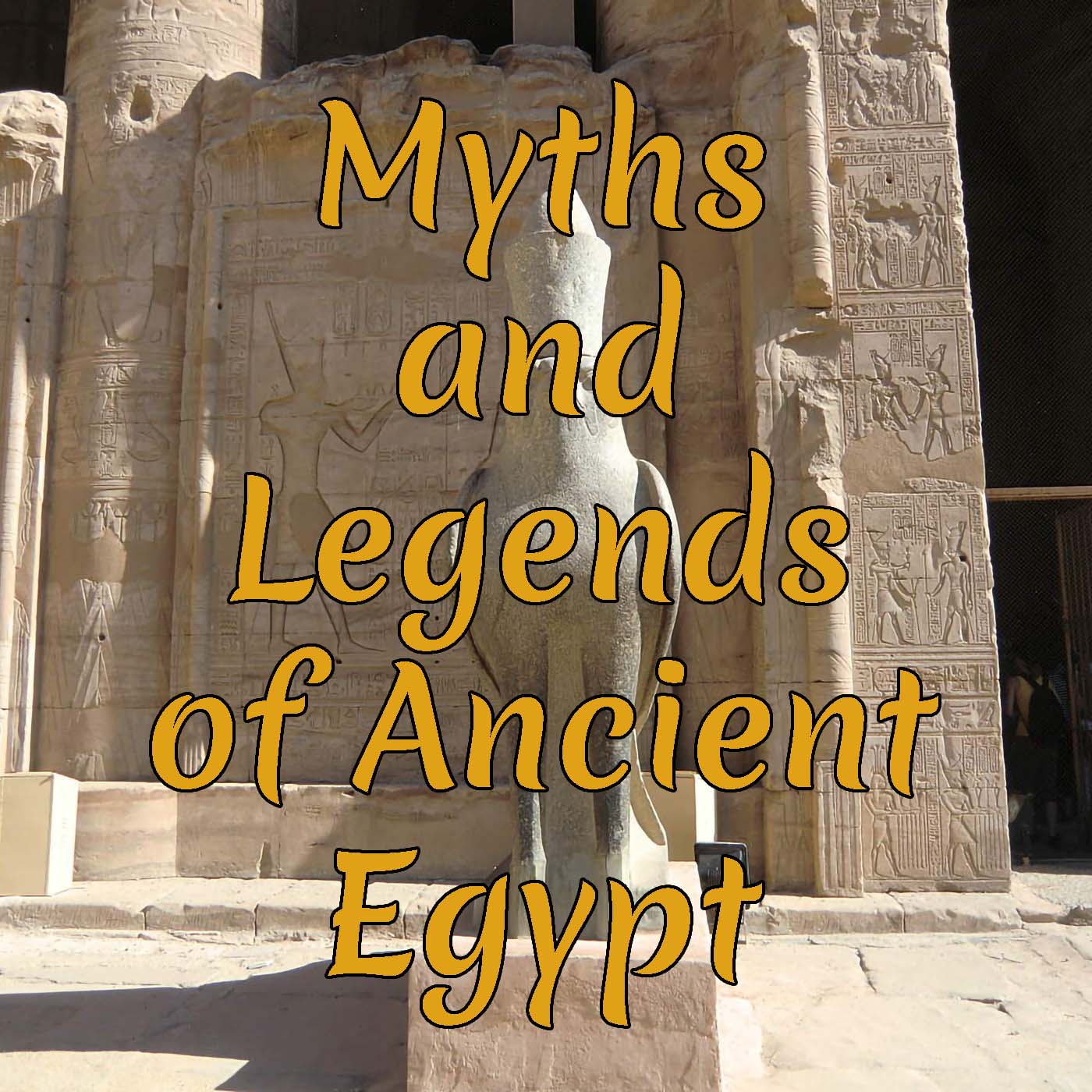
Myths and Legends of Ancient Egypt: Reckoning of the Mounds of the Primeval Time
Myths and Legends of Ancient Egypt: The Reckoning of the Mounds of Primeval Time is a dramatic retelling of the creation myth associated with the Temple of Horus at Edfu. The story explores the cosmogeny of ancient Egypt, focusing on the primeval mounds that emerged from the waters of chaos at the dawn of time. It highlights the role of Ra, Horus, and other deities in shaping the world and establishing order. The myth is deeply tied to Behdet, an ancient name for Edfu, and reflects Egyptian beliefs about divine rulership and cosmic balance. You can find more details here.
 /RSS Feed
 -

The Trumpets of Pharaoh Tutankhamun
On April 16th, 1939, after three mute millennia, the trumpets were finally played by James Tappern, a British bandsman, during a BBC radio broadcast from the Cairo Museum; it was heard by millions of listeners around the world.

-
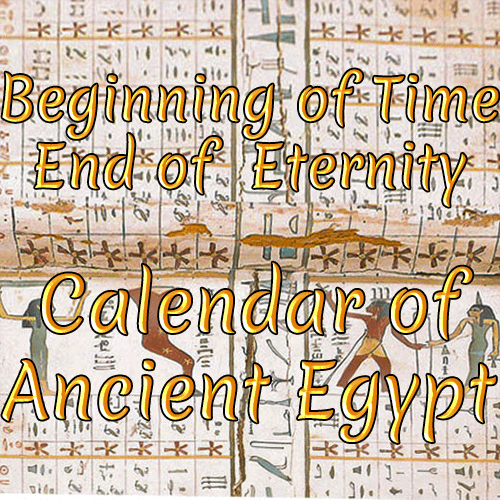
Beginning of Time ~ End of Eternity – Calendar of Ancient Egypt: Introduction to the Ancient Egyptian Calendar
In the introduction to the ancient Egyptian calendar, you discover the several calendars used by the ancient Egyptians and the celestial or seasonal events that synchronize them. Topics covered include the lunar, solar, cosmic, and regnal calendars, as well as the so-called horoscope calendar of lucky and unlucky days. It provides an in-depth overview of the Egyptian religious and civil calendars, their structure, significance, and associated festivities. The episode explores the Sothic Cycle, an ancient Egyptian astronomical system used to track time based on the heliacal rising of the star Sirius (Sothis).
The episode explores the connection between the Egyptian calendar and astronomical phenomena, particularly the heliacal rising of Sirius. It discusses the Egyptian year, which consisted of 365 days and receded one day every four years compared to the Julian year, forming a cycle of 1461 years known as the Sothic cycle. The author examines historical records, inscriptions, and calculations to analyze the alignment of the Egyptian calendar with the rising of Sirius and the implications for dating events.
The ancient Egyptian calendar evolved from natural observations to a fixed system, reflecting both practical needs and cultural traditions. Its endurance highlights the interplay between astronomy, agriculture, and societal organization in ancient Egypt.
/RSS Feed -

Activating Egyptian Sourdough Yeast for Use in Reconstructing Ancient Egyptian Bread and Beer
Utilizing Egyptian sourdough yeast is a necessary component in creating ancient Egyptian bread and beer. This video shows you how to activate dehydrated yeast from Egypt, and links to purchase ingredients.
[evp_embed_video url="http://www.new.reconstructingancientegypt.org/wp-content/uploads/2018/06/activating-sourdough-starter.mp4"]
-
Par Madja’at Ancient Egyptian House of Books Episode 1
This episode reviews the book Fighting Pharaohs: Weapons and Warfare in Ancient Egypt by Robert B. Partridge, which explores the military history of ancient Egypt, detailing the weapons, strategies, and battles that shaped the kingdom’s power. The book examines the evolution of Egyptian warfare, from early conflicts to the sophisticated military campaigns of the New Kingdom. It covers the use of chariots, bows, spears, and swords, as well as the role of pharaohs as military leaders. The text also discusses fortifications, naval warfare, and the influence of foreign technology on Egyptian military advancements. You can find more details here.,
The journal article “Notes on the Opening of the Mouth” by T. J. C. Baly examines the ancient Egyptian Opening of the Mouth ritual, a funerary ceremony intended to restore the senses and vitality of the deceased. The text critically analyzes previous interpretations of the ritual, discussing its symbolic connection to rebirth, the Horus Eye, and the transition to the afterlife. Baly explores the role of the Sem priest, the use of sacred implements, and the ritual’s connection to funerary rites involving the Tekenu figure. His work provides a scholarly foundation for further studies on Egyptian religious practices. You can find more details here, as well as research on the Web, in the Giza Digital Library: The Giza Mastabas Series.
/RSS Feed -
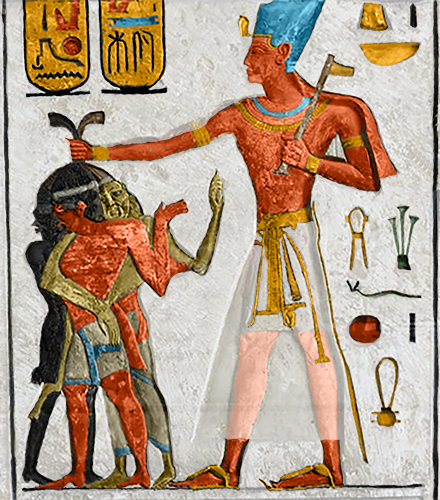
Ramesses the Great Smiting Enemies with Battle Axe
New merchandise at our Wtjasat Har Goods store featuring great Pharaoh Ramesses II. Check it out!
[urlpreviewbox url=”http://www.cafepress.com/ancientegyptgoods/14937950″/]
-

The Palermo Stone
Archaeological Origin

Palermo stone recto side (Image: Hsu, 2010) The Palermo Stone named after the city in Italy where it is currently in residence, this artifact is a fragment of a larger stele named by Egyptologists as the Royal Annals of the Old Kingdom of Ancient Egypt. The aforementioned stele contains a list of the rulers of the united Two Lands of ancient Egypt from the first dynasty to the mid fifth dynasty, along with some of the significant events of their reigns. The stele also contains the names of rulers of the pre-unification era, and going back to legendary and mythical rulers. The record even includes the rulers of the mythical time when the deities were in the seen world and ruled the land, going back to the Memphite creator deity PtaH, and successor Rع. This gives a particular clue as to the possible syncretism and geographical origin of the stele.

Palermo stone verso side (Image: Hsu, 2010) Currently the origins of the Palermo fragment are unknown, along with the others of the seven found fragments of the original stele. Theories about the stele all remain in controversy. Its age, location and even whether they are all part of the same stele are under debate. One theory is that given its record ends in the fifth dynasty it is indeed from the Old Kingdom. Another is it may be a copy of the original Old Kingdom work from the twenty fifth dynasty. However the theological record of the mythical era should be taken into account. The pharaohs of the Old Kingdom were centric to the theology of Heliopolis, where Ra the Sun was the force of creation. The Memphite Theology however puts the mummified human deity of Ptah at the head of creation, and Ra coming forth as his creation. This syncretism of theologies started to occur around the first dynasty, when the rulers established the Nome of Inabw Hadj (Walls of White), the fortress of Menes, as Men Nefer (endures beautifully), the capitol of the naswt bitya (of Sedge and Bee) ruler of the Two Lands. This fact also makes for more argument as then it could have had its beginnings in the first dynasty and the stela added to as time went on. Analyses of the hieroglyphs indicate it is not in the original Old Kingdom or even soon after.
Description and Content

Palermo stone fitted with other fragments of the Royal Annals of Old Kingdom Egypt (Image: Lundström, 2010) The Palermo fragment is approximately 43.5 cm high, 25 cm wide and 6.5 cm thick. The recto inscription consists of 6 horizontal registers of Old Kingdom hieroglyphics. The first register lists the names of predynastic bityw (rulers) of maHan (Lower Egypt), which is indicated by the seated man hieroglyph wearing the dashrat (Red Crown). The second register inscribes the final year a First Dynasty naswt bitya, whom is generally assumed to be either Narmer or Aha. The rest of the register contains the first nine annual entries for his successor, again not named on the fragment, but assumed to be either Aha or Djer. The recto inscription continues with royal annals onto the naswt bitya of the Fourth Dynasty.
The registers continue on the verso, inscribing events during the reigns of rulers down to Neferirkare Kakai, the third ruler of the Fifth Dynasty. It is not known whether the Royal Annals originally continued beyond this point in time. If the ruler is named, the name of his mother is also included. Content includes measurements of the height of the annual inundation of the Nile, details of Sed and other festivals, grain tax collected, monuments, architecture, and warfare.

Click to Return to the Royal Annals of Ancient Egypt References
Hsu, S.-W. (2010). The Palermo Stone: the Earliest Royal Inscription from Ancient Egypt. Altoriental. Forsch., 37(1), 68–89. http://www.ancientportsantiques.com/wp-content/uploads/Documents/PLACES/Egypt-Libya/PalermoStone-Hsu2010.pdf
Lundström, P. (2010). The Royal Annals of Egypt. File:The Royal Annals of Egypt.png. Wikipedia. https://commons.wikimedia.org/wiki/File:The_Royal_Annals_of_Egypt.png.
Lundström, P. (2017, October 3). Other king lists of Ancient Egypt. Pharaoh.se. https://pharaoh.se/other-king-lists.
-
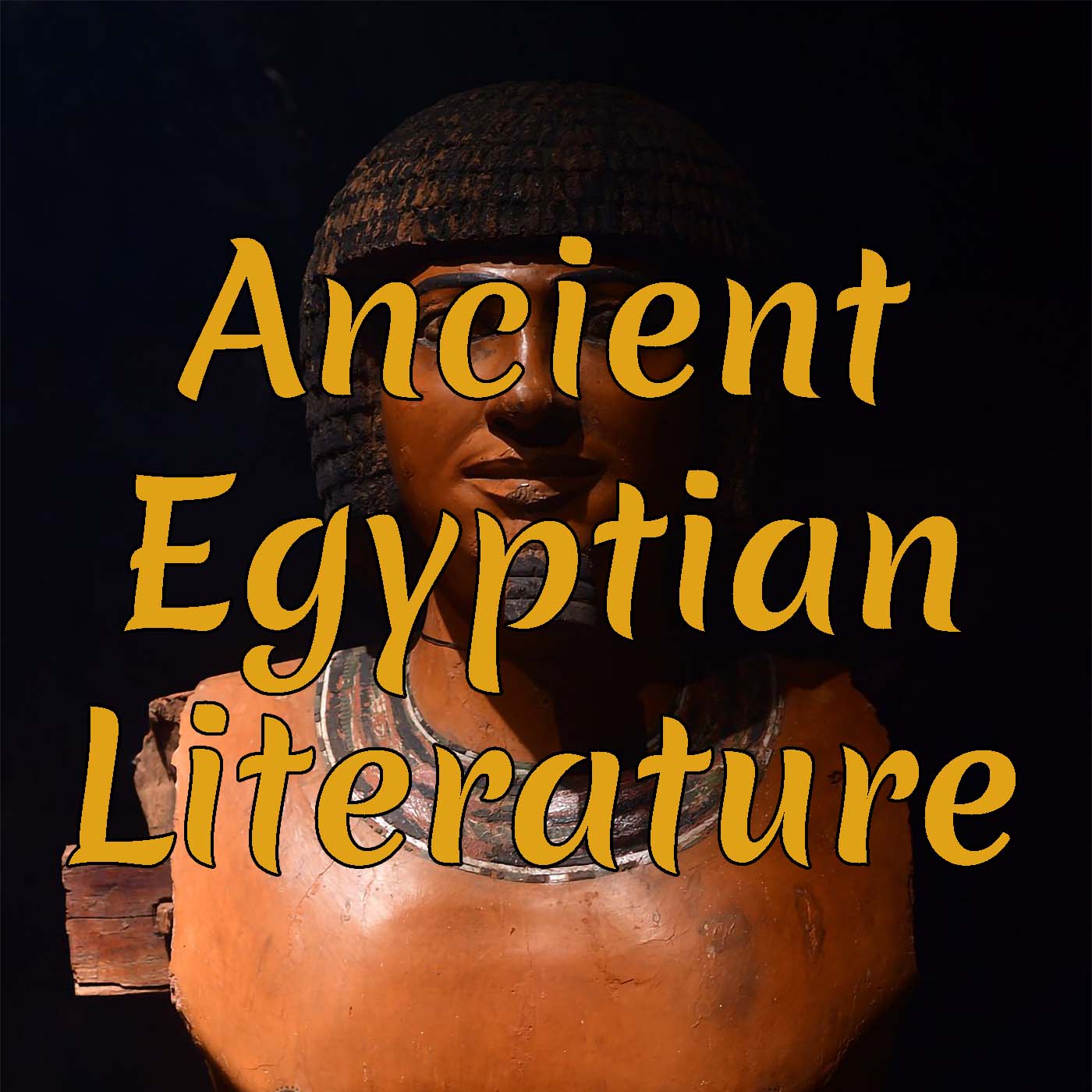
Ancient Egyptian Literature – Instruction of Ptah Hotep
The Instruction of Ptahhotep, also known as The Maxims of Ptahhotep, is an ancient Egyptian wisdom text attributed to Vizier Ptahhotep, who served under King Djedkare Isesi of the Fifth Dynasty (circa 2375–2350 BCE). It is one of the earliest examples of didactic literature, offering guidance on ethical behavior, leadership, and social harmony.
Key Themes
- Wisdom and Experience: Ptahhotep, an elderly statesman, wrote the text to pass down knowledge to his son, emphasizing that wisdom comes with age.
- Leadership and Responsibility: The text advises rulers and officials to be patient, just, and attentive to their people.
- Moral Conduct: It promotes virtues such as truthfulness, humility, kindness, and self-control.
- Social Harmony: The teachings promote respect for others, appropriate speech, and maintaining social order.
Significance
The Instruction of Ptahhotep was widely studied by scribes and officials, shaping Egyptian thought on governance and personal conduct. It reflects the principles of Ma’at, the concept of cosmic balance and justice that was central to Egyptian culture. The only complete version of the text, known as Papyrus Prisse, is housed in the Bibliothèque Nationale in Paris.
/RSS Feed