
The Opening title montage of Ta’wy – Reconstructing Ancient Egyptian Culture
Tag: Egyptology
-
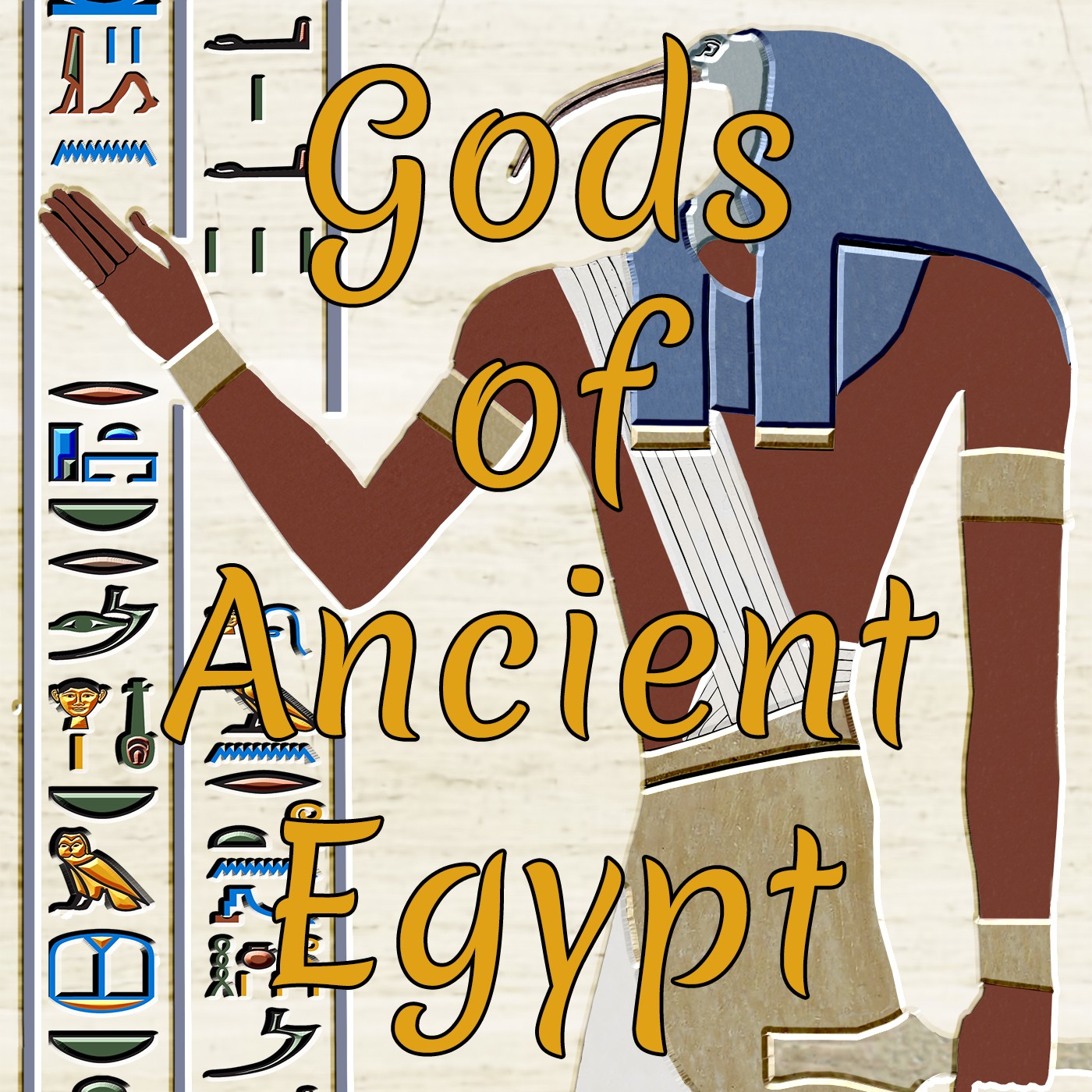
Gods of Ancient Egypt: Thoth
An in-depth exploration of Thoth, the ancient Egyptian deity of wisdom, writing, and knowledge, detailing his attributes, representations, and significance in Egyptian culture.
Thoth: The God of Wisdom and Writing
Thoth, known as DHwty in ancient Egyptian, is the deity associated with intelligence, wisdom, and the written word. He is revered as the patron of scribes and the embodiment of reasoning and logic.
- Thoth is often depicted as an ibis or a baboon, symbolizing his connection to knowledge and the moon.
- His name is derived from the Egyptian DHwty, meaning “He of the Ibis.”
- Thoth was crucial in ancient Egyptian mythology, including creating the 365-day year.
- He is associated with the judgment of the dead, recording the outcomes in the afterlife.
- Thoth’s consorts include Seshat, the goddess of writing, and Ma’at, the goddess of truth and justice.
Thoth’s Role in Funerary Practices
In ancient Egyptian funerary customs, Thoth had significant responsibilities, ensuring safe passage to the afterlife. His presence was invoked in various texts and rituals related to death and judgment.
- In funerary texts, he is depicted as a protector of tombs and the dead, ensuring their safe journey in the afterlife.
- Thoth is often mentioned in the “Utterances of Going Forth in the Day,” which guide the deceased through the afterlife.
- He is responsible for recording the judgment of the deceased’s heart against the feather of Ma’at.
- Thoth’s ibis amulets were commonly used in mummification practices.
Festivals Celebrating Thoth
Thoth was celebrated through various festivals that honored his contributions to wisdom and the lunar calendar. These festivals were integral to ancient Egypt’s religious and cultural practices.
- The Festival of Thoth was marked by food and drink offerings, including a thousand beers and bread.
- The month of Txy, associated with drunkenness, was dedicated to Thoth, highlighting his significance in the lunar calendar.
- Specific days, such as Day 19, honored Thoth and Osiris, celebrating the cycle of death and rebirth.
Thoth’s Influence on Pharaohs and Royalty
Thoth had a profound influence on the pharaohs of ancient Egypt. He was often depicted in royal iconography and associated with their divine right to rule. His presence was essential in coronation rituals and royal decrees.
- Pharaohs like Thutmose III and Amenhotep III had statues of Thoth erected in their honor.
- Thoth is depicted in scenes where he bestows life and authority upon pharaohs during their coronation.
- He is often shown alongside other deities, emphasizing his role in Egypt’s divine order and governance.
Myths and Legends Involving Thoth
Thoth is central to various myths that explain cosmic order, creation, and the relationship between gods and humanity. His stories illustrate the importance of wisdom and knowledge in maintaining balance in the universe.
- In the Heliopolitan creation myth, Thoth establishes the 365-day calendar.
- He is depicted as a mediator between gods, often resolving conflicts and restoring order.
- Thoth’s interactions with other deities, such as Ra and Horus, highlight his significance in the pantheon and his role in the cosmic balance.
Hermopolis Magna and the Ogdoad
Hermopolis Magna, known as the “Place of Eight,” is the center of worship for the deity DHwty. It is associated with the creation myth involving the Ogdoad, a group of eight primordial deities. These deities created the cosmic egg from which DHwty emerged, later becoming a significant figure in Egyptian mythology and cosmology.
- DHwty is the lord of Hermopolis Magna, also called el-Ashmunein.
- The Ogdoad consists of eight creator deities, four male and four female.
- DHwty commanded the Ogdoad to create the cosmic egg, leading to the first sunrise.
- Over time, imn-ra displaced DHwty in prominence, becoming the primary deity.
Sumenu and the Temple of DHwty
Sumenu, also known as Crocodopolis, features a temple dedicated to DHwty, alongside the crocodile god sbk-ra. A notable statue of the Second Prophet of imn-ra, Ay, is inscribed with its dedication to this temple.
- Sumenu is modern-day Al-Mahamid Qibly.
- The temple was dedicated to DHwty and sbk-ra.
- A statue of Ay, a high priest, is currently housed in the Brooklyn Museum.
Dakka and the Kushite Temple
In Dakka, a temple dedicated to DHwty was established during the Kushite Kingdom, initiated by King Arkamani and later expanded by Ptolemy IV. This temple is associated with the jujube tree, symbolizing DHwty’s waiting for his wife’s return.
- The temple was built in the third century BCE.
- It was dedicated to the DHwty of pr-nbs and linked to the jujube tree.
- The temple underwent expansions during the Roman period.
Dakhla Oasis and DHwty’s Worship
A temple of DHwty exists in the Dakhla Oasis, where Rameses VI is depicted praising DHwty. This temple highlights the significance of DHwty in the region during the 19th dynasty.
- The temple is located in the western desert st-wAH.
- Rameses VI’s praises of DHwty are depicted in the temple.
Memphite Theology and DHwty’s Role
The Memphite Theology, inscribed on the Shabaka Stone, emphasizes DHwty’s integral role in creation alongside Ptah. This text illustrates the connection between DHwty and the creation of all deities and spirits.
- The Shabaka Stone is from the Great Temple of Ptah in Memphis.
- It dates back to the 25th dynasty (744–656 BCE).
- DHwty is depicted as a key figure in the creation narrative.
Karnak and the Sacred Ished Tree
At Karnak, DHwty is associated with the sacred iSd tree, which records the Pharaoh’s reign and deeds. This connection underscores DHwty’s role in maintaining cosmic order and knowledge.
- The iSd tree is considered sacred in ancient Egypt.
- DHwty or his consort records Pharaoh’s achievements on its leaves.
Cultural Significance of DHwty in Literature
DHwty appears in various significant literary works, including the “Eloquent Peasant” and “Instruction of Amenemopet,” emphasizing his association with wisdom, justice, and moral conduct.
- The “Eloquent Peasant” highlights the importance of mAat and DHwty’s role in justice.
- “Instruction of Amenemopet” advises on ethical behavior and the consequences of wrongdoing.
The Leiden Hymns and DHwty’s Wisdom
The Leiden hymns, dating from the reign of Rameses II, extol the wisdom of DHwty, linking him to the divine knowledge sought by the followers of imn-ra. This text reflects the reverence for DHwty’s intellectual legacy.
- The hymns are from the 52nd regnal year of Rameses II.
- They emphasize DHwty’s role in wisdom and knowledge.
The Tale of Setna II and DHwty’s Magic
The Tale of Setna II narrates the adventures of a prince seeking DHwty’s magical book, illustrating the dangers of violating sacred spaces and the consequences of seeking forbidden knowledge.
- The story involves the quest for a powerful book of magic.
- It highlights the repercussions of stealing DHwty’s knowledge.
Hermeticism and DHwty’s Legacy
Hermetic texts, attributed to Hermes Trismegistus, reflect DHwty’s syncretism with Greek philosophy and emphasize his enduring influence on various philosophical movements throughout history.
- Hermes Trismegistus is a syncretic deity combining DHwty and Hermes.
- Hermeticism flourished during the Graeco-Roman period and influenced later philosophical thought.
Hymn to DHwty from PetOsiris’ Tomb
A hymn from PetOsiris’s tomb praises DHwty as the master of knowledge and guidance, emphasizing the importance of following his teachings for a prosperous life.
- The hymn highlights DHwty’s role as a guide and protector.
- It underscores the significance of mAat and ethical living in ancient Egyptian culture.
 /RSS Feed
 -
Beginning of Time ~ End of Eternity – Calendar of Ancient Egypt: Second Month of Inundation – Cloth
This episode explores the second month of the ancient Egyptian inundation season, known as the Month of Cloth. Guided by the goddess Neith, this month includes a series of festivals, rituals, and mythological events recorded in temple calendars and ancient texts. We walk through the month’s major observances and what they reveal about how the Egyptians understood creation, protection, and the structure of sacred time.
 /RSS Feed
 -
Prayer to Thoth for Skill in Writing
The prayer to the god Thoth for skill in writing, known as Papyrus Anastasi V, is inscribed in Hieratic on papyrus, dated to c. 1150, toward the end of the New Kingdom.
Uncovered at Thebes, before c. 1830 CE, it was purchased by the British Museum in 1839 from the collector Giovanni Anastasi.
A young scribe authors the papyrus as a petition to the god of writing. The scribe observes the god’s wisdom through the Council of Thirty, a significant Judicial body that oversees regional issues. He longs for Hermopolis, his patron city, and it declares that he is the dispatch-writer of the Ennead, the great nine gods created by Ra-Atum – Shu, Tafanat, Nuit, Gab, Osiris, Horus, Seth, Isis, and Nephthys. Two gods are evoked as companions of Thoth. Shay is the embodiment of Fate or Destiny, who determines the length of a person’s life and remains at their side until their final judgment by Osiris after death. His consort, with Thoth, is Renenutet, a cobra goddess from Lower Egypt, a goddess of good fortune who gives a person their secret name at birth. The prayer to Thoth is performed by melodic recitation to give power of words as utterance.
References
Ashworth, G. (2012). Ibis Coffin (Thoth). Photograph, New York. Brooklyn Museum
Dodson, A. (2006). Ancient egypt: Pyramids and hieroglyphs: Enduring symbols of a great civilization. New Holland Publ. https://amzn.to/3RRB78G
Faulkner, R. O., Wasserman, J., Goelet, O., & Dassow, E. V. (2008). The Egyptian Book of the Dead: The Book of Going Forth by day: Being the papyrus of ani (royal scribe of the Divine Offerings), written and illustrated circa 1250 B.C.E., by scribes and artists unknown, including the balance of chapters of the books of the dead known as the Theban recension, compiled from ancient texts, dating back to the roots of Egyptian civilization. Chronicle Books. https://amzn.to/3OhiE2A
McCoy, P. A. (2022). Baboon Votive. photograph, New York.
Faience. Late Period to Ptolemaic Period Dynasty 26, or later, c. 664-30 BCE. Charles Edwin Wilbour Fund, 36.838.
McCoy, P. A. (2022). Thoth on the Cartonnage Sarcophagus of Nespanetjerenpare, Verso. photograph, New York.
Dynasty 22 to Early Dynasty 25, c. 948-718 BCE. Charles Edwin Wilbur Fund, 35.1265
Oakes, L. (2014). Sacred sites of ancient Egypt: An Illustrated Guide to the temples, Tombs, and pyramids. Southwater Pub, an imprint of Anness Publishing Ltd. https://amzn.to/3zo5Xio
Oakes, L., Gahlin, L., & Oakes, L. (2010). Ancient Egypt: An illustrated reference to the myths, religions, pyramids, and temples of the land of the pharaohs. Hermes House is an imprint of Anness Publishing Ltd.
Silverman, D. P. (1997). Ancient Egypt. Duncan Baird.
Stierlin, H. (2007). The pharaohs: Master builders. Terrail.
Strudwick, H. M. (2016). Encyclopedia of Ancient Egypt. Amber Books Ltd.
Wilkinson, R. H. (2000). The complete temples of Ancient Egypt. Thames & Hudson.
Wilkinson, R. H. (2003). The complete gods and Goddesses of Ancient Egypt. Thames & Hudson.
-
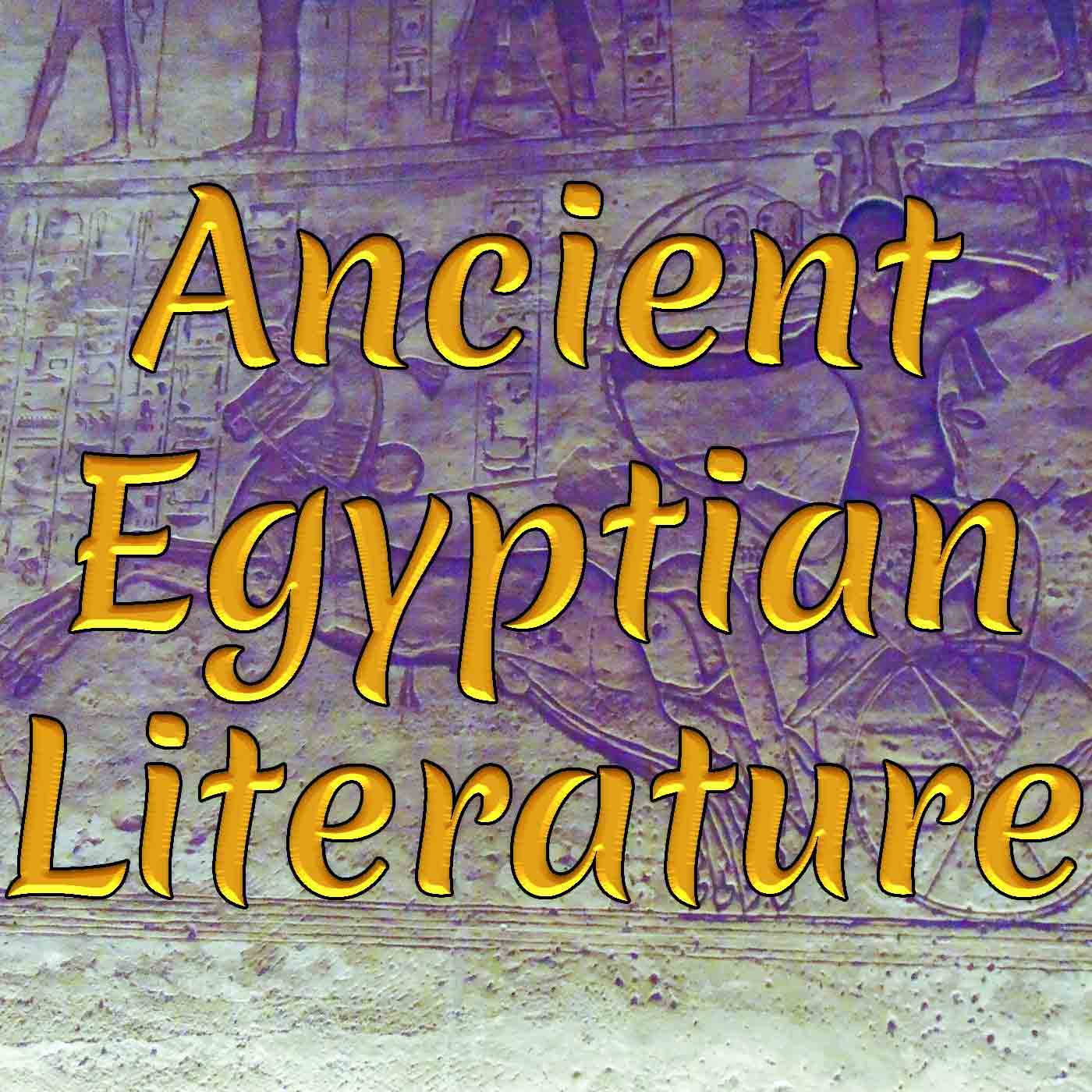
Ancient Egyptian Literature – The Battle of Kadesh
In this episode of Ancient Egyptian Literature, we are delving into the Battle of Kadesh, a monumental military action between Rameses the Great and the Hittites. Two versions of this story appear in ancient Egypt. The first, the official report, also called the bulletin, with seven copies found, and the second, dubbed the Poem of pntAwrt, with eight copies, are found inscribed, sometimes side by side, at the Ramesseum, Rameses’ funerary temple, the temple of Amun at Karnak, Abydos, and Abu Simbel.
The Battle of Kadesh was a significant military conflict between Rameses II (Rameses the Great) of Egypt and the Hittites, led by King Mutawallis, in 1275 BCE. It occurred near the fortified city of Kadesh in northern Syria, a strategic location contested by Egypt and Hatti for centuries due to its importance in controlling the Syrian plain.
Rameses II aimed to reclaim territories in the Levant that had been lost to the Hittites during earlier dynasties. He assembled a large army of 20,000 men, divided into four divisions (Amun, Ra, Ptah, and Seth), and marched northward. Aware of Rameses’ ambitions, the Hittites organized a massive army of allied states, numbering up to 37,000 infantry and 3,700 chariots.
Hittite spies misled Rameses into believing the enemy was far away in Aleppo, but the Hittite forces were concealed behind Kadesh. As Rameses camped with the Division of Amun, the Hittites launched a surprise attack on the Division of Ra, causing chaos and retreat. The Hittite chariots advanced toward Rameses’ camp, scattering the Division of Amun.
Despite being surrounded and abandoned by much of his army, Rameses rallied his elite chariotry and fought back, turning the tide of the battle. Reinforcements from the elite unit “nfrw” arrived and helped crush the Hittite forces. Mutawallis sent a second wave of troops, but were defeated as they attempted to plunder Rameses’ camp.
Ultimately, Rameses regrouped his forces and prepared for a counterattack, prompting Mutawallis to request an armistice. Rameses agreed and returned to Egypt, but the Hittites later retook the city of Amurru, undoing Egypt’s earlier gains.
The battle is notable for its detailed accounts left by Rameses, including the “Official Report” and the “Poem of Pentawer,” which glorify his role in the conflict. While the battle ended inconclusively, it demonstrated Rameses’ military prowess and marked a pivotal moment in Egyptian-Hittite relations.
Patreon patrons receive the full 54-minute episode, which includes a complete dramatic retelling of the texts and an accompanying discussion of Rameses’ armies, the battle, and surrounding events. They also receive a 26-page illustrated eBook with discussion, maps, a glossary, and access to peer-reviewed reference materials from the Par Madja’at—House of Ancient Egyptian Books.
 /RSS Feed
 -
Beginning of Time ~ End of Eternity – Calendar of Ancient Egypt: First Month of Inundation – Drunkenness
In this episode, we explore the first month of the ancient Egyptian inundation season, dedicated to the god Thoth. Drawing on temple calendars and ancient texts, we look at the major festivals, daily rituals, and mythological events that shaped this month — including the Opening of the Year, the Wag Festival, and the Festival of Drunkenness. It’s a guided walk through how the Egyptians understood time, renewal, and the divine order of the year.
/RSS Feed -
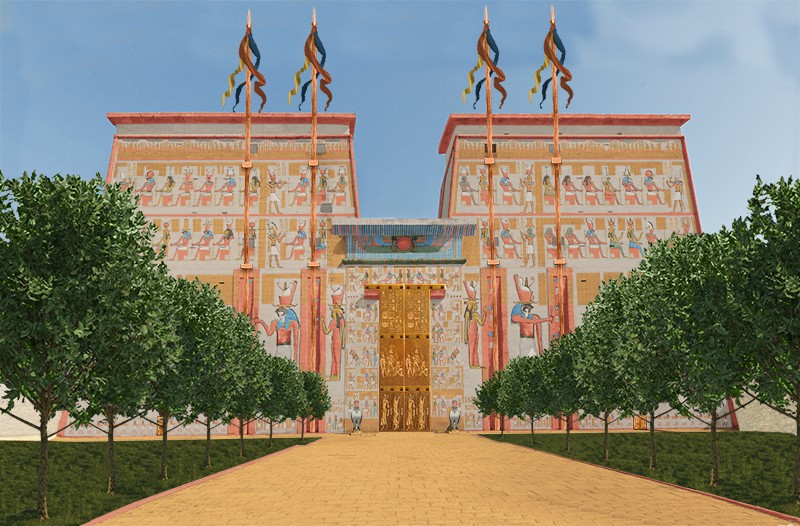
Ancient Egyptian Days Above the Year and New Year Festivals Announcement
Our festival reenactments for the hrw Hryw rnpt and wpt rnpt begin July 14 at approximately 8 AM PDT on YouTube Live. Subscribe to our channel and click the notification bell to be alerted when we are live. Follow our social media for official schedules.
-

Par Madja’at Ancient Egyptian House of Books Episode 5
The episode provides a detailed overview of Episode 5 of “Par Madja’at House of Ancient Egyptian Books,” which focuses on research and literature about ancient Egypt. Key highlights include:
- Book Summary and Review:
- The Priests of Ancient Egypt by Serge Sauneron is reviewed. The book explores the role of the priesthood in ancient Egypt, their rituals, temple functions, and sacred knowledge. It emphasizes the concept of Ma’at (universal balance) and the duties of priests as substitutes for the pharaoh in maintaining divine order. The book is structured into chapters discussing priestly functions, temple hierarchies, sacred services, intellectual mastery, and the changing fortunes of Egyptian clergy. It also delves into the cultural and spiritual significance of temples and rituals.
- The book is praised for its subsection format, which organizes vast information effectively.
- Magazines and Periodicals:
- The February 2008 issue of National Geographic features Robert Draper’s “The Black Pharaohs: Conquerors of Ancient Egypt.” The Article discusses the Kushite rulers who united Egypt during the late period (730 BCE), their cultural assimilation, temple restoration, and pyramid building. Draper highlights the irrelevance of race in ancient Egypt and critiques modern racial debates in Egyptology.
- Research on the Web:
- Articles explore ancient Egyptian bread-making techniques, the geography of durum wheat, and efforts to recreate bread using 4,500-year-old Egyptian yeast.
- Electronic Documents:
- Topics include the epagomenal days marking the birth of key deities, ancient Egyptian baking and brewing methods, scribal training for civil service, and comparisons between Egyptian and Mesopotamian bread molds.
The episode provides a rich exploration of ancient Egyptian culture, focusing on priesthood, rituals, and food preparation, supported by books, articles, and research.
/RSS Feed - Book Summary and Review:
-
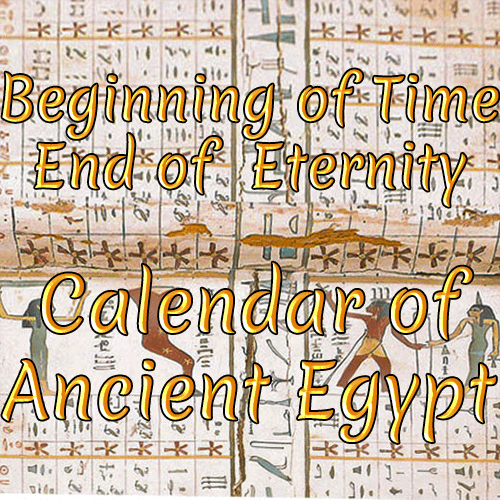
Beginning of Time ~ End of Eternity – Calendar of Ancient Egypt: Introduction to the Ancient Egyptian Calendar
In the introduction to the ancient Egyptian calendar, you discover the several calendars used by the ancient Egyptians and the celestial or seasonal events that synchronize them. Topics covered include the lunar, solar, cosmic, and regnal calendars, as well as the so-called horoscope calendar of lucky and unlucky days. It provides an in-depth overview of the Egyptian religious and civil calendars, their structure, significance, and associated festivities. The episode explores the Sothic Cycle, an ancient Egyptian astronomical system used to track time based on the heliacal rising of the star Sirius (Sothis).
The episode explores the connection between the Egyptian calendar and astronomical phenomena, particularly the heliacal rising of Sirius. It discusses the Egyptian year, which consisted of 365 days and receded one day every four years compared to the Julian year, forming a cycle of 1461 years known as the Sothic cycle. The author examines historical records, inscriptions, and calculations to analyze the alignment of the Egyptian calendar with the rising of Sirius and the implications for dating events.
The ancient Egyptian calendar evolved from natural observations to a fixed system, reflecting both practical needs and cultural traditions. Its endurance highlights the interplay between astronomy, agriculture, and societal organization in ancient Egypt.
/RSS Feed -
Par Madja’at Ancient Egyptian House of Books Episode 1
This episode reviews the book Fighting Pharaohs: Weapons and Warfare in Ancient Egypt by Robert B. Partridge, which explores the military history of ancient Egypt, detailing the weapons, strategies, and battles that shaped the kingdom’s power. The book examines the evolution of Egyptian warfare, from early conflicts to the sophisticated military campaigns of the New Kingdom. It covers the use of chariots, bows, spears, and swords, as well as the role of pharaohs as military leaders. The text also discusses fortifications, naval warfare, and the influence of foreign technology on Egyptian military advancements. You can find more details here.,
The journal article “Notes on the Opening of the Mouth” by T. J. C. Baly examines the ancient Egyptian Opening of the Mouth ritual, a funerary ceremony intended to restore the senses and vitality of the deceased. The text critically analyzes previous interpretations of the ritual, discussing its symbolic connection to rebirth, the Horus Eye, and the transition to the afterlife. Baly explores the role of the Sem priest, the use of sacred implements, and the ritual’s connection to funerary rites involving the Tekenu figure. His work provides a scholarly foundation for further studies on Egyptian religious practices. You can find more details here, as well as research on the Web, in the Giza Digital Library: The Giza Mastabas Series.
/RSS Feed
