Tag: Kemet

  • Gods of Ancient Egypt: Thoth

    Gods of Ancient Egypt: Thoth

    An in-depth exploration of Thoth, the ancient Egyptian deity of wisdom, writing, and knowledge, detailing his attributes, representations, and significance in Egyptian culture.

    Thoth: The God of Wisdom and Writing ​

    Thoth, known as DHwty in ancient Egyptian, is the deity associated with intelligence, wisdom, and the written word. ​ He is revered as the patron of scribes and the embodiment of reasoning and logic.

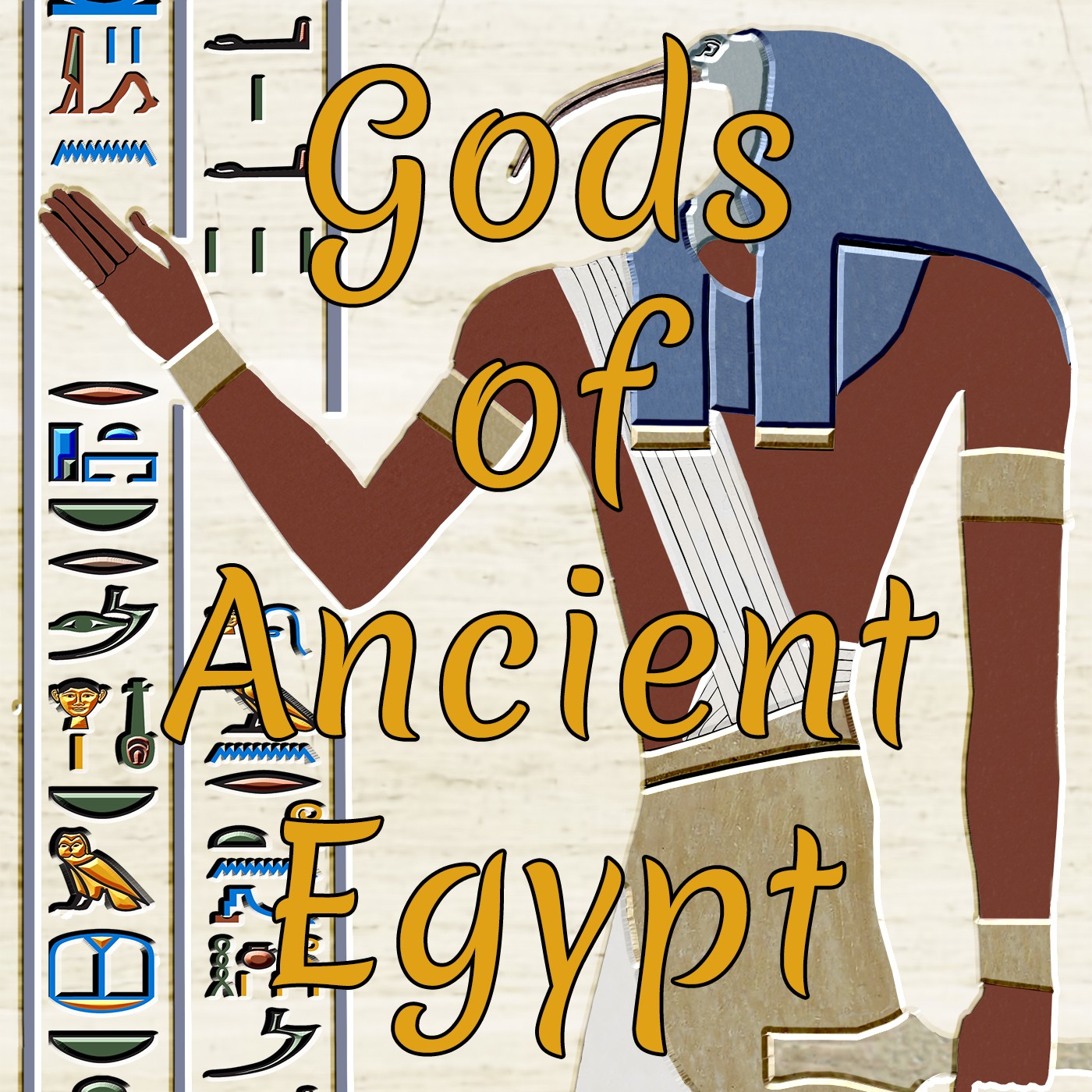
    • Thoth is often depicted as an ibis or a baboon, symbolizing his connection to knowledge and the moon. ​
    • His name is derived from the Egyptian DHwty, meaning “He of the Ibis.” ​
    • Thoth was crucial in ancient Egyptian mythology, including creating the 365-day year. ​
    • He is associated with the judgment of the dead, recording the outcomes in the afterlife.
    • Thoth’s consorts include Seshat, the goddess of writing, and Ma’at, the goddess of truth and justice.

    Thoth’s Role in Funerary Practices

    In ancient Egyptian funerary customs, Thoth had significant responsibilities, ensuring safe passage to the afterlife. ​ His presence was invoked in various texts and rituals related to death and judgment.

    • In funerary texts, he is depicted as a protector of tombs and the dead, ensuring their safe journey in the afterlife. ​
    • Thoth is often mentioned in the “Utterances of Going Forth in the Day,” which guide the deceased through the afterlife.
    • He is responsible for recording the judgment of the deceased’s heart against the feather of Ma’at. ​
    • Thoth’s ibis amulets were commonly used in mummification practices.

    Festivals Celebrating Thoth

    Thoth was celebrated through various festivals that honored his contributions to wisdom and the lunar calendar. These festivals were integral to ancient Egypt’s religious and cultural practices.

    • The Festival of Thoth was marked by food and drink offerings, including a thousand beers and bread.
    • The month of Txy, associated with drunkenness, was dedicated to Thoth, highlighting his significance in the lunar calendar. ​
    • Specific days, such as Day 19, honored Thoth and Osiris, celebrating the cycle of death and rebirth.

    Thoth’s Influence on Pharaohs and Royalty

    Thoth had a profound influence on the pharaohs of ancient Egypt. He was often depicted in royal iconography and associated with their divine right to rule. His presence was essential in coronation rituals and royal decrees.

    • Pharaohs like Thutmose III and Amenhotep III had statues of Thoth erected in their honor.
    • Thoth is depicted in scenes where he bestows life and authority upon pharaohs during their coronation.
    • He is often shown alongside other deities, emphasizing his role in Egypt’s divine order and governance.

    Myths and Legends Involving Thoth

    Thoth is central to various myths that explain cosmic order, creation, and the relationship between gods and humanity. His stories illustrate the importance of wisdom and knowledge in maintaining balance in the universe.

    • In the Heliopolitan creation myth, Thoth establishes the 365-day calendar. ​
    • He is depicted as a mediator between gods, often resolving conflicts and restoring order.
    • Thoth’s interactions with other deities, such as Ra and Horus, highlight his significance in the pantheon and his role in the cosmic balance.

    Hermopolis Magna and the Ogdoad

    Hermopolis Magna, known as the “Place of Eight,” is the center of worship for the deity DHwty. It is associated with the creation myth involving the Ogdoad, a group of eight primordial deities. ​ These deities created the cosmic egg from which DHwty emerged, later becoming a significant figure in Egyptian mythology and cosmology. ​

    • DHwty is the lord of Hermopolis Magna, also called el-Ashmunein. ​
    • The Ogdoad consists of eight creator deities, four male and four female. ​
    • DHwty commanded the Ogdoad to create the cosmic egg, leading to the first sunrise. ​
    • Over time, imn-ra displaced DHwty in prominence, becoming the primary deity.

    Sumenu and the Temple of DHwty ​

    Sumenu, also known as Crocodopolis, features a temple dedicated to DHwty, alongside the crocodile god sbk-ra. ​ A notable statue of the Second Prophet of imn-ra, Ay, is inscribed with its dedication to this temple.

    • Sumenu is modern-day Al-Mahamid Qibly.
    • The temple was dedicated to DHwty and sbk-ra. ​
    • A statue of Ay, a high priest, is currently housed in the Brooklyn Museum.

    Dakka and the Kushite Temple

    In Dakka, a temple dedicated to DHwty was established during the Kushite Kingdom, initiated by King Arkamani and later expanded by Ptolemy IV. ​ This temple is associated with the jujube tree, symbolizing DHwty’s waiting for his wife’s return.

    • The temple was built in the third century BCE.
    • It was dedicated to the DHwty of pr-nbs and linked to the jujube tree. ​
    • The temple underwent expansions during the Roman period.

    Dakhla Oasis and DHwty’s Worship

    A temple of DHwty exists in the Dakhla Oasis, where Rameses VI is depicted praising DHwty. ​ This temple highlights the significance of DHwty in the region during the 19th dynasty. ​

    • The temple is located in the western desert st-wAH.
    • Rameses VI’s praises of DHwty are depicted in the temple. ​

    Memphite Theology and DHwty’s Role ​

    The Memphite Theology, inscribed on the Shabaka Stone, emphasizes DHwty’s integral role in creation alongside Ptah. ​ This text illustrates the connection between DHwty and the creation of all deities and spirits.

    • The Shabaka Stone is from the Great Temple of Ptah in Memphis. ​
    • It dates back to the 25th dynasty (744–656 BCE).
    • DHwty is depicted as a key figure in the creation narrative.

    Karnak and the Sacred Ished Tree ​

    At Karnak, DHwty is associated with the sacred iSd tree, which records the Pharaoh’s reign and deeds. ​ This connection underscores DHwty’s role in maintaining cosmic order and knowledge.

    • The iSd tree is considered sacred in ancient Egypt.
    • DHwty or his consort records Pharaoh’s achievements on its leaves. ​

    Cultural Significance of DHwty in Literature ​

    DHwty appears in various significant literary works, including the “Eloquent Peasant” and “Instruction of Amenemopet,” emphasizing his association with wisdom, justice, and moral conduct. ​

    • The “Eloquent Peasant” highlights the importance of mAat and DHwty’s role in justice.
    • “Instruction of Amenemopet” advises on ethical behavior and the consequences of wrongdoing.

    The Leiden Hymns and DHwty’s Wisdom ​

    The Leiden hymns, dating from the reign of Rameses II, extol the wisdom of DHwty, linking him to the divine knowledge sought by the followers of imn-ra. ​ This text reflects the reverence for DHwty’s intellectual legacy.

    • The hymns are from the 52nd regnal year of Rameses II.
    • They emphasize DHwty’s role in wisdom and knowledge.

    The Tale of Setna II and DHwty’s Magic

    The Tale of Setna II narrates the adventures of a prince seeking DHwty’s magical book, illustrating the dangers of violating sacred spaces and the consequences of seeking forbidden knowledge.

    • The story involves the quest for a powerful book of magic.
    • It highlights the repercussions of stealing DHwty’s knowledge.

    Hermeticism and DHwty’s Legacy

    Hermetic texts, attributed to Hermes Trismegistus, reflect DHwty’s syncretism with Greek philosophy and emphasize his enduring influence on various philosophical movements throughout history. ​

    • Hermes Trismegistus is a syncretic deity combining DHwty and Hermes.
    • Hermeticism flourished during the Graeco-Roman period and influenced later philosophical thought.

    Hymn to DHwty from PetOsiris’ Tomb ​

    A hymn from PetOsiris’s tomb praises DHwty as the master of knowledge and guidance, emphasizing the importance of following his teachings for a prosperous life.

    • The hymn highlights DHwty’s role as a guide and protector.
    • It underscores the significance of mAat and ethical living in ancient Egyptian culture. ​

    Ta'wy Podcast Channel
    Ta’wy Podcast Channel
    Gods of Ancient Egypt: Thoth
    Loading
    /
  • Beginning of Time ~ End of Eternity – Calendar of Ancient Egypt: Second Month of Inundation – Cloth

    Beginning of Time ~ End of Eternity – Calendar of Ancient Egypt: Second Month of Inundation – Cloth

    This episode explores the second month of the ancient Egyptian inundation season, known as the Month of Cloth. Guided by the goddess Neith, this month includes a series of festivals, rituals, and mythological events recorded in temple calendars and ancient texts. We walk through the month’s major observances and what they reveal about how the Egyptians understood creation, protection, and the structure of sacred time.

    Ta'wy Podcast Channel
    Ta’wy Podcast Channel
    Beginning of Time ~ End of Eternity – Calendar of Ancient Egypt: Second Month of Inundation – Cloth
    Loading
    /
  • Pronunciation of Ancient Egyptian

    Pronunciation of Ancient Egyptian

    The pronunciation of Ancient Egyptian is one of great debate, with Egyptologists, Linguists, and enthusiasts providing interpretations and opinions as to how ancient Egyptian language was spoken. Join us now as we go in depth into the pronunciation of ancient Egyptian, with evidence, theories, conventions, and pronunciations.

    References

    Adkins, L., & Adkins, R. A. (2000). The Keys of Egypt: The obsession to decipher Egyptian hieroglyphs. HarperCollins Publishers.

    Akerblad, J. (2010). Attempt at an alphabet of the Egyptian Demotic script and their Coptic alphabet equivalents. Wikimedia. Retrieved 2022, from https://commons.wikimedia.org/wiki/File:Akerblad.jpg

    al-‘Irāqī, A. al-Q. (n.d.). Abū Al-Qāsim al-‘Irāqī, Kitāb al-aqālīm al-Ab’ah (Book of the seven climes). google arts & culture. Retrieved July 8, 2022, from https://artsandculture.google.com/asset/ab%C5%AB-al-q%C4%81sim-al-%E2%80%98ir%C4%81q%C4%AB-kit%C4%81b-al-aq%C4%81l%C4%ABm-al-ab%E2%80%98ah-book-of-the-seven-climes/CgGVdT9z603KSg?hl=en

    Alchemical Books. (2009). Ibn Wahshiyya. Retrieved April 27, 2022, from http://alchemy-and-alchemists.blogspot.com/2009/09/ibn-wahshiyya.html

    Alchemical Imagery. (2022). Images of alchemical apparatus and symbolism in Islamic manuscripts. Images of alchemical apparatus. Retrieved July 7, 2022, from https://www.alchemywebsite.com/islamic_manuscripts.html

    Alchetron. (2018, March 23). Ibn Wahshiyya – Alchetron, the Free Social Encyclopedia. Alchetron.com. Retrieved April 26, 2022, from https://alchetron.com/Ibn-Wahshiyya#ibn-wahshiyya-8ea95468-d439-40e8-bad0-6695bdee227-resize-750.jpeg

    Allen, J. P. (2013). The ancient egyptian language: An historical study. Cambridge University Press.

    Allen, J. P. (2015). Middle Egyptian: An introduction to the language and culture of Hieroglyphs. Cambridge University Press.

    Amarna Project. (2000). Tour of the model. Model Of The City – Amarna Project. Retrieved July 8, 2022, from https://www.amarnaproject.com/pages/model_of_the_city/index.shtml

    Amin, O. S. M. (2016). Five Amarna letters on display (G57/dc8) at the British Museum, London. Wikimedia Commons. Retrieved July 8, 2022, from https://commons.wikimedia.org/wiki/File:Five_Amarna_letters_on_display_at_the_British_Museum,_LondonA.jpg

    Ashburnhamiani, C. (2005). The alchemist Jabir ibn Hayyan, from a 15th century European portrait of Geber, Codici Ashburnhamiani 1166. Wikimedia Commons. Retrieved July 8, 2022, from https://commons.wikimedia.org/wiki/File:Jabir_ibn_Hayyan.jpg

    Biblical Archaeology Society. (2019, April 12). Papyrus Amherst 63 up close. Biblical Archaeology Society. Retrieved July 8, 2022, from https://www.biblicalarchaeology.org/daily/biblical-artifacts/inscriptions/israelite-psalms-papyrus-amherst-63/

    Briggs, H. (2021, May 5). Copy of a portrait of Thomas Young (Thomas Lawrence) by Henry Briggs. Wikimedia Commons. Retrieved July 7, 2022, from https://commons.wikimedia.org/wiki/File:Thomas_Young_by_Briggs.jpg

    The British Museum. (2021, September 7). A medieval alchemical book reveals New Secrets – British Museum Blog. British Museum Blog – Explore stories from the Museum. Retrieved April 26, 2022, from https://blog.britishmuseum.org/a-medieval-alchemical-book-reveals-new-secrets/

    British Museum. (2022, February 22). Everything you ever wanted to know about the rosetta stone – british museum blog. British Museum Blog – Explore stories from the Museum. Retrieved April 25, 2022, from https://blog.britishmuseum.org/everything-you-ever-wanted-to-know-about-the-rosetta-stone/

    Cemetery Walks. (2021, March 25). Akerblad, Johan David. Non-Catholic Cemetery Walks. Retrieved July 7, 2022, from https://www.cemeterywalks.it/en/burials/akerblad-johan-david/

    Chakra, H. (2021, March 28). The birth and conquest of the Neo-Assyrian Empire. About History. Retrieved July 8, 2022, from https://about-history.com/the-birth-and-conquest-of-the-neo-assyrian-empire/

    Champollion Jean François. (1828). Précis du système hiéroglyphique des anciens égyptiens, ou recherches sur les élémens premiers de cette écriture sacrée, sur leurs diverses combinaisons, et sur les rapports de ce système avec les autres méthodes graphiques égyptiennes. Imprimerie Royale.

    Champollion Jean-François. (1836). Grammaire égyptienne … Firmin Didot.

    Cogniet, L. (n.d.). Jean-François Champollion. The Reader Wiki, Reader View of Wikipedia. Retrieved July 8, 2022, from https://thereaderwiki.com/en/Jean-Fran%C3%A7ois_Champollion

    Costanzi, P. (n.d.). Alexander the Great Founding Alexandria. The Walters Art Museum. Retrieved July 8, 2022, from https://art.thewalters.org/detail/30203/alexander-the-great-founding-alexandria/

    Daly, O. E. (2016). Egyptology: The missing millennium: Ancient egypt in medieval Arabic writings. Routledge.

    de Rumilly. (2016). File:portrait de champollion le jeune par madame de Rumilly cropped.jpg. wikipedia commons. Retrieved July 8, 2022, from https://en.wikipedia.org/wiki/File:Portrait_de_Champollion_Le_Jeune_par_Madame_de_Rumilly_cropped.jpg

    Dowling, M. (2018, July 12). Alexander the Great and Hellenism. Mr. Dowling.com. Retrieved July 8, 2022, from https://www.mrdowling.com/701-alexander.html

    Easy Phonetics course. (2022). 1. how speech sounds are made? – easy phonetics course. Easy Phonetics course. Retrieved July 8, 2022, from https://sites.google.com/site/easyphoneticscourse89/unit-2-english-phonetics/how-speech-sounds-are-made

    The Editors of Encyclopaedia Britannica. (n.d.). What does the Rosetta Stone Say? Encyclopædia Britannica. Retrieved April 25, 2022, from https://www.britannica.com/story/what-does-the-rosetta-stone-say

    El-Raghy, M. (n.d.). Queen tiye. RAGHY. Retrieved July 8, 2022, from http://www.drelraghy.com/queen-tiye.html

    El-Traviesito, D. (2017). Pre-late Egyptian reconstruction. Wikiversity. Retrieved July 7, 2022, from https://en.wikiversity.org/wiki/Pre-Late_Egyptian_Reconstruction

    Encyclopædia Britannica. (2022). Demotic script: Media. Encyclopædia Britannica. Retrieved July 8, 2022, from https://www.britannica.com/topic/demotic-script/images-videos

    Encyclopædia Britannica. (2022). Phonetics. Encyclopædia Britannica. Retrieved July 8, 2022, from https://www.britannica.com/science/phonetics

    Encyclopædia Britannica. (2022). What does the Rosetta Stone Say? Encyclopædia Britannica. Retrieved July 7, 2022, from https://www.britannica.com/story/what-does-the-rosetta-stone-say

    Faulkner, R. O. (2002). A concise dictionary of middle egyptian. Griffith Institute.

    Gros, A. J. (2020). baron Antoine-Jean Gros-Battle Pyramids 1810.jpg – . wikimedia commons. Retrieved July 8, 2022, from https://commons.wikimedia.org/wiki/File:Baron_Antoine-Jean_Gros-Battle_Pyramids_1810.jpg

    Haddad, B., Awwad, A., Hattab, M., & Hattab, A. (2018). Associative root–pattern data and distribution in Arabic morphology. Data, 3(2), 10. https://doi.org/10.3390/data3020010

    Ibn-Waḥšiyya, A. ibn-ʿA. (2016). Ibn Wahshiyya’s 985 CE translation of the Ancient Egyptian hieroglyph alphabet. Retrieved July 8, 2022, from https://commons.wikimedia.org/wiki/File:Ibn_Wahshiyya%27s_985_CE_translation_of_the_Ancient_Egyptian_hieroglyph_alphabet.jpg

    International Phonetic Association. (2020). The official chart of the IPA, revised in 2020. International Phonetic Association. Retrieved July 8, 2022, from https://www.internationalphoneticassociation.org/IPAcharts/IPA_chart_orig/IPA_charts_E.html

    Israel Museum. (2012). Portion of the Temple Scroll, labeled 11Q19, one of the longest of the Dead Sea Scrolls. Wikimedia Commons. Retrieved July 8, 2022, from https://commons.wikimedia.org/wiki/File:Temple_Scroll.png

    Journey To Egypt. (2022). EVERYTHING YOU EVER WANTED TO KNOW ABOUT THE ROSETTA STONE. Best Egypt Tours, Vacations & Nile Cruises 2022/2023 – Journey To Egypt. Retrieved July 7, 2022, from https://www.journeytoegypt.com/en/discover-egypt/egyptian-museum-cairo-rosetta-stone

    Kircher, A. (1652). Oedipus aegyptiacus. V. Mascardi.

    Kircher, A. (1676). Athanasii Kircheri Sphinx mystagoga, sive diatribe hieroglyphica qua mumiae, ex Memphiticis Pyramidum adytis erutae: & non ita pridem in Galliam transmissae, juxta Veterum Hieromystarum Mentem, intentionemque, Plena Fide & Exacta Exhibetur Interpretatio .. Janssonius-Waesbergius.

    Kircher, A., & Sepibus, G. de. (1678). Romani collegii societatis Jesu Musaeum celeberrimum: Cujus Magnum antiquariae Rei, statuarum, Imaginum, picturarumque partem ex Legato Alphonsi Donini … relictum … Jansson-Waesberg.

    Kircher, A., & Sepibus, G. de. (n.d.). Romani Collegii Societatus Jesu Musaeum celeberrimum, cujus magnum Antiquariae rei, statuarum imaginum, picturarumque partem : ex legato Alphonsi Donini. Kircher, Athanasius; Sepibus, Georgius de – Romani collegii societatus Jesu Musaeum celeberrimum, Cujus Magnum antiquariae Rei, statuarum Imaginum, picturarumque partem : Ex Legato Alphonsi Donini. Retrieved July 8, 2022, from https://echo.mpiwg-berlin.mpg.de/ECHOdocuView?url=%2Fpermanent%2Flibrary%2FWEBYGP7Y%2Findex.meta&start=41&pn=50

    Land, M. (2015). Focusing by shape change in the lens of the eye: A commentary on young (1801) ‘on the mechanism of the eye.’ Philosophical Transactions of the Royal Society B: Biological Sciences, 370(1666), 20140308. https://doi.org/10.1098/rstb.2014.0308

    Mayer, L., & Milton, T. (1948). City of Rosetta. The British Museum. Retrieved July 8, 2022, from https://www.britishmuseum.org/collection/object/P_1948-1125-6

    MeisterDrucke. (2022). Stele dedicated by Ptolemy V to the Bull Buchis, from T… (#603881). MeisterDrucke. Retrieved July 7, 2022, from https://www.meisterdrucke.uk/fine-art-prints/Egyptian-Ptolemaic-Period/603881/Stele-dedicated-by-Ptolemy-V-to-the-Bull-Buchis,-from-the-Bucheum-at-Armant-(painted-limestone).html

    Mojaddedi, J. (2003). Dhū L-Nūn al-Miṣrī. Encyclopaedia of Islam, THREE. https://doi.org/10.1163/1573-3912_ei3_com_26009

    Nederhof, M.-J. (2021). The 1071 hieroglyphs from unicode 5.2. Sign list: functions and meanings. Retrieved July 7, 2022, from https://mjn.host.cs.st-andrews.ac.uk/egyptian/unicode/tablemeaning.html

    Newman, W. (2022). Abū Mūsā Jābir ibn ḥayyān. Encyclopædia Britannica. Retrieved April 27, 2022, from https://www.britannica.com/biography/Abu-Musa-Jabir-ibn-Hayyan

    Nguyen, M.-L. (2012). Extract of the second letter of St Paul to the Corinthians (2 Cor 6:5–7), and of the second letter of St Peter (2 Peter 2, 4–5, and 7–9). Fragmentary double-page from a liturgical codex from (?) the White Monastery in Sohag. Wikimedia Commons. Retrieved July 8, 2022, from https://commons.wikimedia.org/wiki/File:Liturgical_codex_Louvre_E10094.jpg

    Praefcke, A. (2006). Artist’s sketch: Walk in the Garden; limestone; New Kingdom, 18th dynasty, c. 1335 BC. Egyptian Museum Berlin, Inv. no. 15000 (donated by James Simon in 1920). Wikimedia Commons. Retrieved July 8, 2022, from https://commons.wikimedia.org/wiki/File:Spaziergang_im_Garten_Amarna_Berlin.jpg

    Rafik, F. (2022, February 8). The story of Qibṭī: Remnants of the coptic language in Egypt. Coptic Solidarity. Retrieved July 8, 2022, from https://www.copticsolidarity.org/2022/02/08/the-story-of-qib%E1%B9%ADi-remnants-of-the-coptic-language-in-egypt/

    Ramadan, S. (2016). Ancient egypt in medieval Arabic writings. SCIplanet. Retrieved July 8, 2022, from https://www.bibalex.org/SCIplanet/en/Article/Details?id=5192

    The Rosetta Stone; overview. (196 BCE). [Granodiorite]. . The British Museum. (n.d.). Retrieved from https://jstor.org/stable/community.11925072

    Sajid, M., & Singh, R. (2021, June 10). Napoleon’s Egyptian odyssey: Two centuries later. The Friday Times – Naya Daur. Retrieved July 7, 2022, from https://www.thefridaytimes.com/2021/06/11/napoleons-egyptian-odyssey-two-centuries-later/

    Stolzenberg, D. (2013). Athanasius Kircher and the Hieroglyphic Sphinx. The Public Domain Review. Retrieved July 8, 2022, from https://publicdomainreview.org/essay/athanasius-kircher-and-the-hieroglyphic-sphinx

    Tour Egypt. (n.d.). Egypt: Champollion’s Notes to Egypt. Tour Egypt. Retrieved July 8, 2022, from http://www.touregypt.net/historicalessays/notes.htm

    Trustees of the British Museum. (2022, July 5). Everything you ever wanted to know about the rosetta stone – british museum blog. British Museum Blog – Explore stories from the Museum. Retrieved July 7, 2022, from https://blog.britishmuseum.org/everything-you-ever-wanted-to-know-about-the-rosetta-stone/

    Unger, R. (2000). Smaller chapel of Seti I, Wepwawet offers insignia to the king, Temple of Seti I, Abydos, Egypt. Wikimedia. Retrieved July 8, 2022, from https://www.wikimedia.org/

    University of Michigan. (2006). Folio from Chester Beatty Papyrus 46, containing 2 Corinthians 11:33-12:9. Wikimedia Commons. Retrieved July 8, 2022, from https://commons.m.wikimedia.org/wiki/File:P46.jpg

    Verde, T. (2021, March 10). Arab translators of Egypt’s hieroglyphs. Muslim Heritage. Retrieved April 27, 2022, from https://muslimheritage.com/arab-translators-of-egypts-hieroglyphs/

    Verde, T. (2021, March 10). Arab translators of Egypt’s hieroglyphs. Muslim Heritage. Retrieved July 8, 2022, from https://muslimheritage.com/arab-translators-of-egypts-hieroglyphs/

    Wikiversity. (2019). Pre-late Egyptian reconstruction. Wikiversity. Retrieved April 25, 2022, from https://en.wikiversity.org/wiki/Pre-Late_Egyptian_Reconstruction

    Wiktionary. (2022). Appendix:unicode/cuneiform. Wiktionary. Retrieved July 8, 2022, from https://en.wiktionary.org/wiki/Appendix:Unicode/Cuneiform

    Wolff , H. E. (2022). Afro-asiatic languages. Encyclopædia Britannica. Retrieved July 8, 2022, from https://www.britannica.com/topic/Afro-Asiatic-languages

    Young, T. (1818). A letter from Thomas Young about hieroglyphs: Cosmolearning archaeology. CosmoLearning. Retrieved July 7, 2022, from https://cosmolearning.org/images/a-letter-from-thomas-young-about-hieroglyphs-1018/

    Zerida. (2006). Tomb of Egyptian saint Dhul-Nun al-Misri (AD 796-859) in Cairo’s City of the dead. Wikimedia Commons. Retrieved July 8, 2022, from https://commons.wikimedia.org/wiki/File:Dhulnun_tomb.jpg

  • Ancient Egyptian Literature – The Battle of Kadesh

    Ancient Egyptian Literature – The Battle of Kadesh

    In this episode of Ancient Egyptian Literature, we are delving into the Battle of Kadesh, a monumental military action between Rameses the Great and the Hittites. Two versions of this story appear in ancient Egypt. The first, the official report, also called the bulletin, with seven copies found, and the second, dubbed the Poem of pntAwrt, with eight copies, are found inscribed, sometimes side by side, at the Ramesseum, Rameses’ funerary temple, the temple of Amun at Karnak, Abydos, and Abu Simbel.

    The Battle of Kadesh was a significant military conflict between Rameses II (Rameses the Great) of Egypt and the Hittites, led by King Mutawallis, in 1275 BCE. ​ It occurred near the fortified city of Kadesh in northern Syria, a strategic location contested by Egypt and Hatti for centuries due to its importance in controlling the Syrian plain. ​

    Rameses II aimed to reclaim territories in the Levant that had been lost to the Hittites during earlier dynasties. ​ He assembled a large army of 20,000 men, divided into four divisions (Amun, Ra, Ptah, and Seth), and marched northward. ​ Aware of Rameses’ ambitions, the Hittites organized a massive army of allied states, numbering up to 37,000 infantry and 3,700 chariots. ​

    Hittite spies misled Rameses into believing the enemy was far away in Aleppo, but the Hittite forces were concealed behind Kadesh. As Rameses camped with the Division of Amun, the Hittites launched a surprise attack on the Division of Ra, causing chaos and retreat. ​ The Hittite chariots advanced toward Rameses’ camp, scattering the Division of Amun. ​

    Despite being surrounded and abandoned by much of his army, Rameses rallied his elite chariotry and fought back, turning the tide of the battle. ​ Reinforcements from the elite unit “nfrw” arrived and helped crush the Hittite forces. ​ Mutawallis sent a second wave of troops, but were defeated as they attempted to plunder Rameses’ camp.

    Ultimately, Rameses regrouped his forces and prepared for a counterattack, prompting Mutawallis to request an armistice. ​ Rameses agreed and returned to Egypt, but the Hittites later retook the city of Amurru, undoing Egypt’s earlier gains. ​

    The battle is notable for its detailed accounts left by Rameses, including the “Official Report” and the “Poem of Pentawer,” which glorify his role in the conflict. ​ While the battle ended inconclusively, it demonstrated Rameses’ military prowess and marked a pivotal moment in Egyptian-Hittite relations. ​

    Patreon patrons receive the full 54-minute episode, which includes a complete dramatic retelling of the texts and an accompanying discussion of Rameses’ armies, the battle, and surrounding events. They also receive a 26-page illustrated eBook with discussion, maps, a glossary, and access to peer-reviewed reference materials from the Par Madja’at—House of Ancient Egyptian Books.

    Ta'wy Podcast Channel
    Ta’wy Podcast Channel
    Ancient Egyptian Literature – The Battle of Kadesh
    Loading
    /
  • Beginning of Time ~ End of Eternity – Calendar of Ancient Egypt: First Month of Inundation – Drunkenness

    Beginning of Time ~ End of Eternity – Calendar of Ancient Egypt: First Month of Inundation – Drunkenness

    In this episode, we explore the first month of the ancient Egyptian inundation season, dedicated to the god Thoth. Drawing on temple calendars and ancient texts, we look at the major festivals, daily rituals, and mythological events that shaped this month — including the Opening of the Year, the Wag Festival, and the Festival of Drunkenness. It’s a guided walk through how the Egyptians understood time, renewal, and the divine order of the year.

    Ta'wy Podcast Channel
    Ta’wy Podcast Channel
    Beginning of Time ~ End of Eternity – Calendar of Ancient Egypt: First Month of Inundation – Drunkenness
    Loading
    /
  • Ancient Egyptian Days Above the Year and New Year Festivals Announcement

    Ancient Egyptian Days Above the Year and New Year Festivals Announcement

    Our festival reenactments for the hrw Hryw rnpt and wpt rnpt begin July 14 at approximately 8 AM PDT on YouTube Live. Subscribe to our channel and click the notification bell to be alerted when we are live. Follow our social media for official schedules.

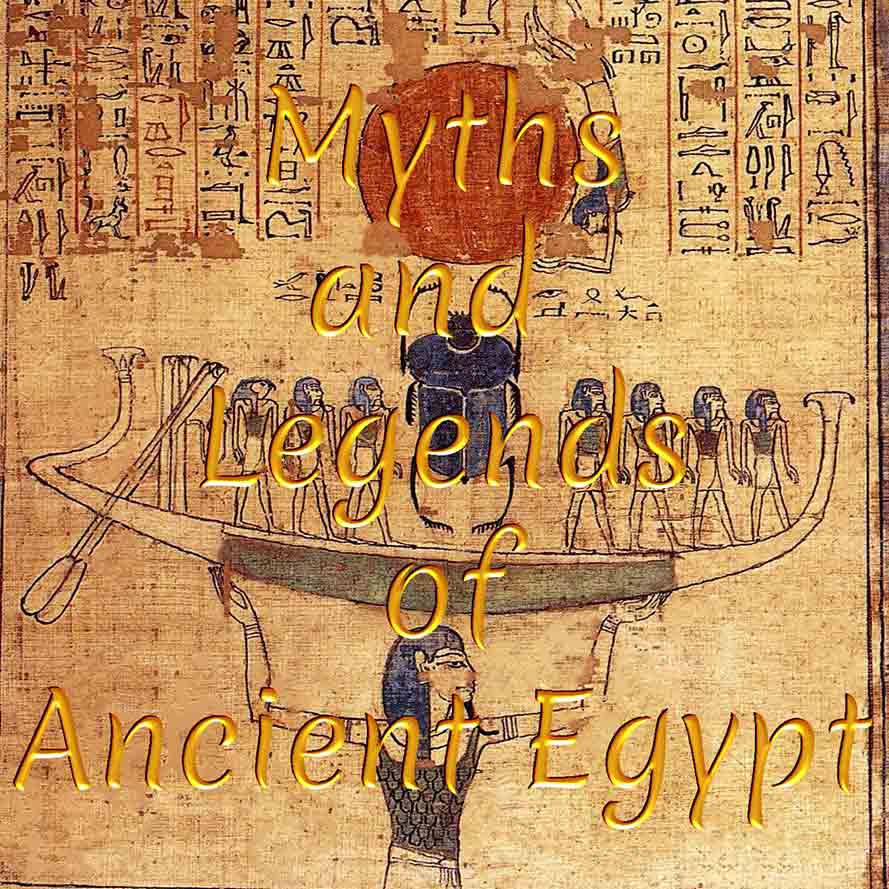
  • Myths and Legends of Ancient Egypt: The Book of Knowing the Creations of Ra

    Myths and Legends of Ancient Egypt: The Book of Knowing the Creations of Ra

    The Book of Knowing the Creations of Ra is an ancient Egyptian creation myth that narrates the self-creation of Ra, the sun god, and his role in forming the universe. ​ Ra, also known as Khepra (the scarab beetle of creation), describes his emergence during the sp tpy (First Occasion), the moment of creation. He creates his children, Shu (the lower sky/atmosphere) and Tefnut (sky moisture), through self-insemination and spitting them out. ​ Ra’s bA spirit manifests as Heka (magic), the creative force of the universe, which is invoked in rituals but not inherently present in humans. ​

    Ra continues to create primeval beings from the nnw (primeval waters) and plans further creations using his Eye, representing the physical sun. ​ His children form the Great Ennead (nine deities worshipped at Heliopolis), including Geb (earth), Nut (sky), Osiris, Horus, Seth, Isis, and Nephthys, who further populate the world. ​

    The text transitions into the ritual destruction of App (Apophis), a primeval serpent embodying uncreation and chaos (isft), which threatens the cosmic balance (mAat). ​ Seth defeats App nightly, who spears him to protect Ra’s sun boat during its journey through the dwAt (netherworld). ​ App is imprisoned by Akr, a deity of the horizon, and consumed by the Glorious Eye of Ra, which destroys his bA (spirit), Dt (body), Swyt (shadow), and Heka.

    The myth emphasizes the constant battle between creation and uncreation, the interconnected spirits (bA, kA, Dt), and the importance of maintaining cosmic balance (mAat). ​ The text is part of the Bremner Rhind Papyrus, dated 312-311 BCE, and includes other rituals and hymns. It reflects the rich mythology and spiritual beliefs of ancient Egypt. ​

    Ta'wy Podcast Channel
    Ta’wy Podcast Channel
    Myths and Legends of Ancient Egypt: The Book of Knowing the Creations of Ra
    Loading
    /
  • Par Madja’at Ancient Egyptian House of Books Episode 5

    Par Madja’at Ancient Egyptian House of Books Episode 5

    The episode provides a detailed overview of Episode 5 of “Par Madja’at House of Ancient Egyptian Books,” which focuses on research and literature about ancient Egypt. Key highlights include:

    1. Book Summary and Review:
      • The Priests of Ancient Egypt by Serge Sauneron is reviewed. ​ The book explores the role of the priesthood in ancient Egypt, their rituals, temple functions, and sacred knowledge. ​ It emphasizes the concept of Ma’at (universal balance) and the duties of priests as substitutes for the pharaoh in maintaining divine order. ​ The book is structured into chapters discussing priestly functions, temple hierarchies, sacred services, intellectual mastery, and the changing fortunes of Egyptian clergy. It also delves into the cultural and spiritual significance of temples and rituals. ​
      • The book is praised for its subsection format, which organizes vast information effectively. ​
    2. Magazines and Periodicals:
      • The February 2008 issue of National Geographic features Robert Draper’s “The Black Pharaohs: Conquerors of Ancient Egypt.” The Article discusses the Kushite rulers who united Egypt during the late period (730 BCE), their cultural assimilation, temple restoration, and pyramid building. ​ Draper highlights the irrelevance of race in ancient Egypt and critiques modern racial debates in Egyptology. ​
    3. Research on the Web:
      • Articles explore ancient Egyptian bread-making techniques, the geography of durum wheat, and efforts to recreate bread using 4,500-year-old Egyptian yeast. ​
    4. Electronic Documents:
      • Topics include the epagomenal days marking the birth of key deities, ancient Egyptian baking and brewing methods, scribal training for civil service, and comparisons between Egyptian and Mesopotamian bread molds.

    The episode provides a rich exploration of ancient Egyptian culture, focusing on priesthood, rituals, and food preparation, supported by books, articles, and research.

    Ta'wy Podcast Channel
    Ta’wy Podcast Channel
    Par Madja’at Ancient Egyptian House of Books Episode 5
    Loading
    /
  • Gods of Ancient Egypt: Sakhamat – Sekhmet

    Gods of Ancient Egypt: Sakhamat – Sekhmet

    The episode provides an extensive overview of Sakhamat (Sekhmet), an ancient Egyptian goddess associated with power, war, destruction, healing, and protection. ​ Below is a summary:

    Origins and Mythology: Sakhamat, derived from “sxm” (power) and “t” (female), is a lioness-headed goddess linked to war, destruction, and healing. ​ She is central to the myth of the “Destruction of Mankind,” where she punished humanity at Ra’s command but was pacified by drinking red-dyed beer, mistaking it for blood. ​ This event is commemorated in the festival of drunkenness. ​

    Appearance: Sakhamat is depicted as a lioness or a gold-skinned woman with a lioness head, sun disk headdress, and cobra uraeus. ​ Her attire includes a broad collar and a sheer sheath dress, symbolizing youth and fertility. ​

    Roles and Associations:

    War and Protection: Patroness of pharaohs, she embodies duality as a war goddess and protector. ​ Her destructive powers are bound by righteousness (Ma’at). ​
    Healing and Medicine: Sakhamat controls disease demons (xAtyw) and patronizes physicians. ​ Priests trained in her temples served as healers. ​
    Tree Cults: She is linked to sacred groves and tree cults, alongside other goddesses like Hathor, Bastet, and Isis. ​

    Worship Centers:

    Memphis: Sakhamat was worshipped alongside Ptah and their son Nefertem. She absorbed the local goddess of Memphis. ​
    Karnak: Hundreds of her statues were erected during Amenhotep III’s reign, and she was syncretized with Mut. ​
    Other Sites: Temples and cults dedicated to Sakhamat existed in Kom el-Hisn, Abusir, and other locations. ​

    Rituals and Festivals: Sakhamat was honored in rituals to protect against her “Seven Arrows” of pestilence, with amulets and menat necklaces used to appease her. ​ The festival of drunkenness celebrated her pacification.

    Historical Influence: Sakhamat’s cult persisted through various dynasties, including the Old Kingdom, New Kingdom, and Ptolemaic era, often protecting mortuary temples from dismantlement. ​

    Sakhamat embodies a complex duality as a goddess of destruction and healing, deeply integrated into Egyptian mythology, religion, and royal patronage. ​

    Ta'wy Podcast Channel
    Ta’wy Podcast Channel
    Gods of Ancient Egypt: Sakhamat – Sekhmet
    Loading
    /