Tag: New Kingdom

  • Gods of Ancient Egypt – Ra

    Gods of Ancient Egypt – Ra

    The document provides an extensive overview of Ra, the ancient Egyptian sun god, highlighting his significance, mythology, and worship. ​ Ra is described as a transcendent deity often syncretized with other gods, such as Atum, Khnum, Amun, and Horus, representing different aspects of creation and the sun’s cycle (morning, midday, and evening). ​ His mythos includes his role as the creator, his struggles against adversaries like Apep in the underworld, and his interactions with other gods, such as Isis, who gained his secret name to save him from venom. Ra’s worship dates back to the Second Dynasty and peaked during the Old Kingdom, where rulers were considered “Sons of Ra” and temples with obelisks symbolized his power. ​

    Ra’s myths include the Bennu bird, akin to the phoenix, symbolizing creation and renewal. ​ He is depicted as a falcon-headed man with a sun disc and cobra headdress, traveling in his night boat through the underworld. ​ His eye, represented by Hathor and Sekhmet, is a powerful force used to punish humanity. ​ Ra’s daily journey across the sky and his role in creation are celebrated in hymns, emphasizing his perfection, radiance, and eternal labor. ​
    Ta'wy Podcast Channel
    Ta’wy Podcast Channel
    Gods of Ancient Egypt – Ra
    Loading
    /
  • Great Pharaohs of Ancient Egypt: Thutmose III

    Great Pharaohs of Ancient Egypt: Thutmose III

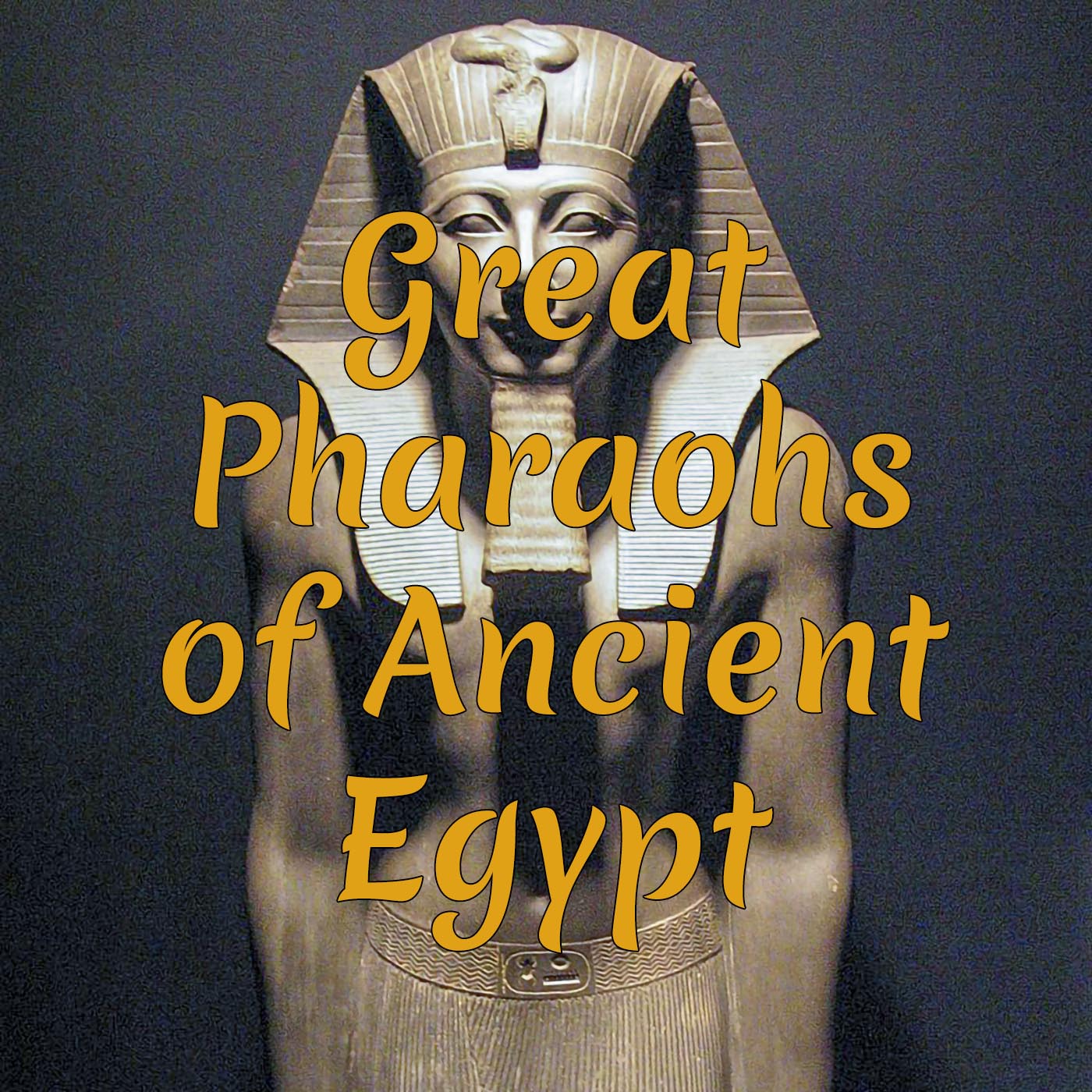
    The episode is about Thutmose III, Pharaoh of Ancient Egypt, focusing on his life, military achievements, and legacy. ​
    Key Points:

    Introduction: The speech begins with an Ancient Egyptian greeting and introduces Thutmose III, emphasizing his significance as a military strategist who restored Egypt’s empire after a period of weakness under his predecessors. ​

    Early Life and Co-Regency with Hatshepsut: Thutmose III’s father died when he was young, leading to his half-sister Hatshepsut becoming regent. ​ She later crowned herself Pharaoh, sidelining Thutmose. ​ While Hatshepsut focused on building projects and propaganda, Thutmose prepared himself as a military commander. ​

    Military Campaigns: After Hatshepsut’s death, Thutmose III emerged as a warrior Pharaoh, leading campaigns to expand Egypt’s borders. ​ His most notable victory was the conquest of Megiddo, achieved through brilliant strategy and military prowess. ​

    Triumphant Return and Legacy: Thutmose III celebrated his victories by commissioning monuments and securing his empire through annual marches, hostage diplomacy, and appointing his son Amenhotep II as co-regent. ​ He also erased Hatshepsut’s legacy to ensure his progeny’s succession. ​

    Conclusion: The speech highlights Thutmose III’s role in protecting and expanding Egypt, enabling the construction of its iconic monuments. ​

    Sources:
    The episode references multiple historical texts, including works by Elizabeth Ann Payne, Robert B. Partridge, Mark Healy, and others, to support its claims. ​

    Ta'wy Podcast Channel
    Ta’wy Podcast Channel
    Great Pharaohs of Ancient Egypt: Thutmose III
    Loading
    /
  • Ancient Egyptian Literature – Great Dispenser of Pleasure

    Ancient Egyptian Literature – Great Dispenser of Pleasure

    A recitation of poems from Papyrus Harris 500, the ‘love songs’ from Ancient Egypt.

    The Papyrus Harris 500 is an ancient Egyptian manuscript from the Ramesside Period (1292–1077 BC). It contains a collection of texts, including The Doomed Prince, The Taking of Joppa, love poems, and the Harper’s Song from the tomb of King Intef. The papyrus was originally part of the collection of Anthony Charles Harris and was later acquired by the British Museum. Unfortunately, parts of the original manuscript were lost due to an explosion that damaged the house where it was kept.

    The love poems in Papyrus Harris 500 offer a glimpse into ancient Egypt’s emotions and romantic ideals. These poems, written in Late Egyptian hieratic script, celebrate themes of beauty, longing, devotion, and the joys of love. They often use nature imagery, comparing lovers to flowers, birds, and the Nile, and emphasize the intensity of desire between partners.

    One poem describes a lover’s yearning:
    “My heart longs for you, like the lotus thirsts for water.”

    Another speaks of the pain of separation:
    “I am like a captive bird, waiting for your return.”

    These poems reflect the deep emotional connections valued in ancient Egyptian society and show that love—its joys and sorrows—has remained timeless across cultures and centuries.

    Ta'wy Podcast Channel
    Ta’wy Podcast Channel
    Ancient Egyptian Literature – Great Dispenser of Pleasure
    Loading
    /